Why gas prices are hard to predict
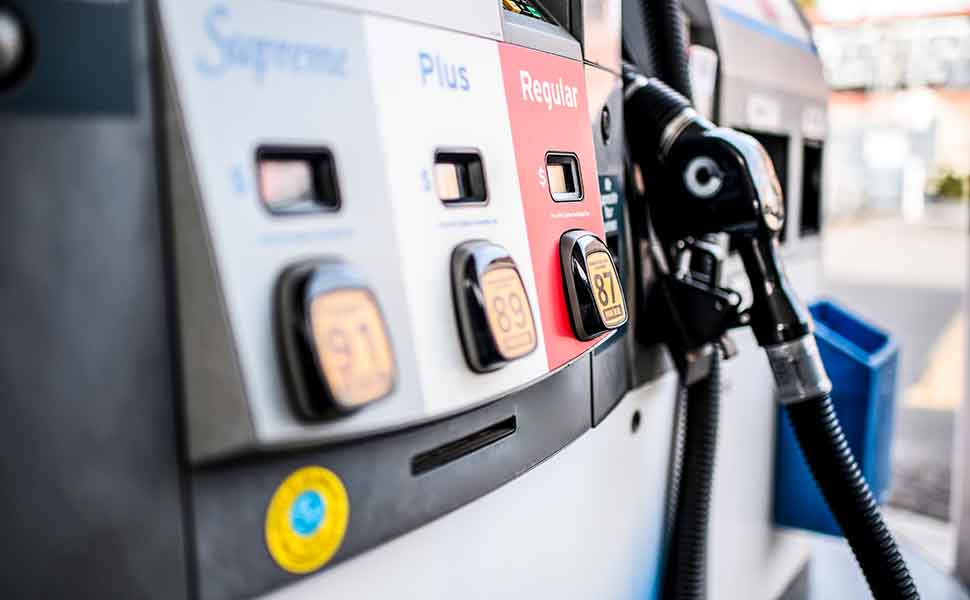
Gasoline prices have entered a period of extreme volatility. While the headlines are full of forecasts, Wake Forest University economist Robert Whaples says the most honest answer an expert can give is that the future is a moving target.
“Oil prices are very hard to predict,” says Whaples. “If you ask an expert what will happen next, the prediction won’t be very informative.”
This unpredictability is built into the structure of the oil market through three primary factors:
Cost rigidity at the pump: Inelasticity describes our driving habits. Most Americans cannot instantly change their commute or trade in a vehicle when prices jump. Because we can’t easily “stretch” or change our demand for fuel, consumers are effectively forced to pay whatever the market asks. “Oil (and gasoline) prices can be very volatile because both buyers and sellers don’t have much room to respond in the short term.”
Pricing tomorrow’s problems: Because oil is easy to move and store, the market reacts to rumors before they become reality. “If sellers think the price will rise due to a disruption in the future, the price will immediately increase—even before the disruption occurs,” Whaples explains. Drivers aren’t just paying for today’s oil; they are paying for the possibility of a shortage next month.
The global ripple: No local station is an island. Whaples compares the global oil market to a single, giant pool. “Because oil is so easy to transport, even small changes in supply immediately ripple over the entire globe.”
While analysts pore over daily supply data, Whaples suggests the gas pump remains a mirror of global anxiety. In a market governed by rigid demand and psychological speculation, the only certainty is uncertainty.
Recent News
Solar energy center begins operations with support from Wake Forest University
Solar energy center begins operations with support from Wake Forest University
Sabin Center conference explores leading in times of environmental crisis
Sabin Center conference explores leading in times of environmental crisis