Wake Forest’s new Neuroarts Lab is bridging the gap between clinical research and community wellness.
An arts, healthcare and humanities symposium brought together leaders nationwide to advocate for “Arts Rx” as a clinical tool.
A $3 million NIH-funded study is mapping how dance measurably improves brain health in older adults.
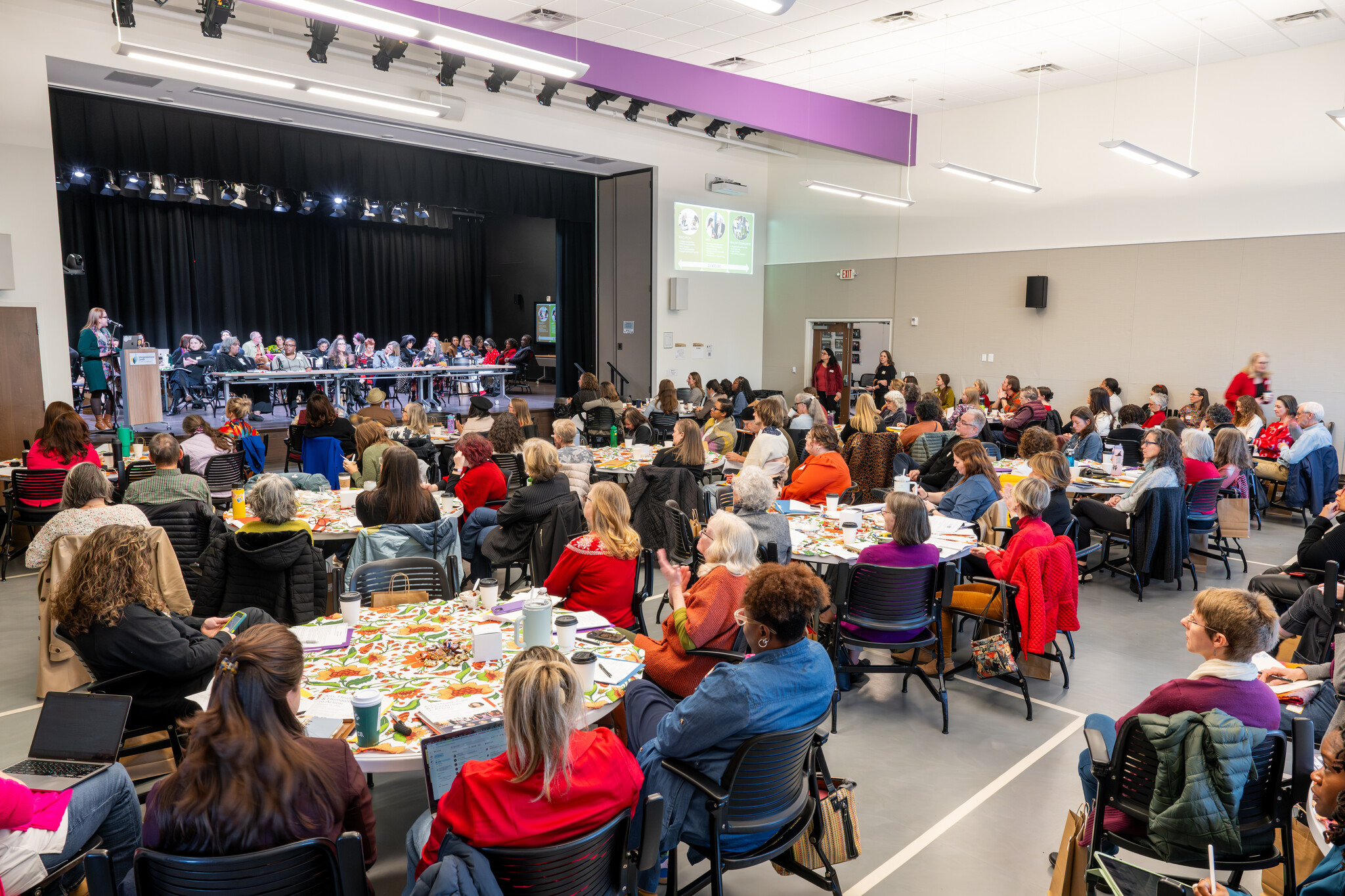
In January 2026, Wake Forest announced its expanding leadership in the rapidly growing field of neuroarts, where research shows how creative expression can support brain health, strengthen well-being, and deepen human connection. On February 13, artists, scholars, clinicians, service organizations, community members and funders gathered to drum, dance and reframe community conversations about the arts and health.
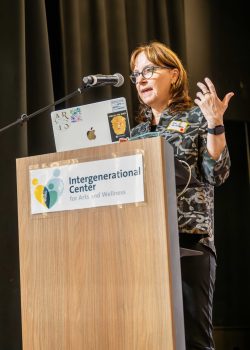
Kimberley McAllister, Wake Forest University Vice Provost of Research, Scholarly Inquiry & Creative Work
The University is committed to expanding its leadership in the neuroarts – a multidisciplinary field that examines how engaging in artistic activities measurably changes the brain, body and behavior to improve health and well-being. Wake Forest launched a Neuroarts Lab in January 2026 as part of the NeuroArts Blueprint Initiative, a global effort committed to integrating arts into mainstream medicine.
Essential medicine
“There are three pillars to understanding how brain function impacts society – neurohealth, neuroarts and neurohumanities,” said Kimberley McAllister, vice provost for research, scholarly inquiry, and creative activity. “Neuroarts is where science meets the soul, and it’s an area Wake Forest has pioneered in the world with a dance and dementia program where artists and scientists work together.”
“Neuroarts is where science meets the soul.”
Kimberley McAllister, WFU Vice President of research, scholarly inquiry, and creative activity
The new, interdisciplinary Neuroarts Lab at Wake Forest focuses on:
Investigating the health effects of engagement with the arts.
Growing interdisciplinary partnerships with faculty across Wake Forest University, the School of Medicine and the Advocate enterprise.
Developing new Wake Forest neuroarts performances and programs with community and regional partners.
Supporting and expanding Arts-on-Prescription (Arts Rx) research.
Dr. David Popoli, medical director of the Performing Arts Medicine Clinic at Atrium Health Wake Forest Baptist, sees neuroarts as a critical tool for physical and cognitive rehabilitation. By speaking the language of both the artist (understanding plié or demi-pointe) and the clinician, Popoli is helping to create a healthcare landscape in North Carolina where a museum visit or dance class is treated with the same clinical rigor as a physical therapy session.
Arts Rx
Arts Rx integrates arts into holistic care. It’s a social initiative where healthcare providers “prescribe” arts and cultural activities—such as museum visits, pottery classes, or concerts—to improve a patient’s mental and physical well-being. A medical referral usually specifies a certain number of arts activities.
“To offer social and cultural prescriptions, we need to ask patients, ‘What brings you joy?’”
Aly Maier Lokuta, Assistant Vice President at New Jersey Performing Arts Center
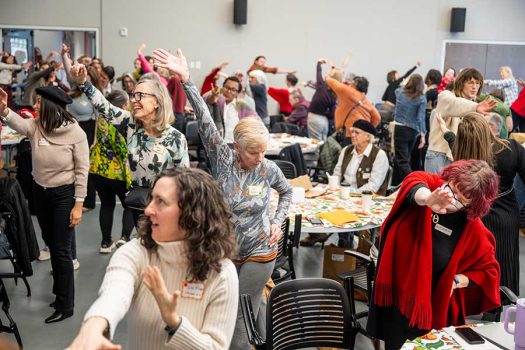
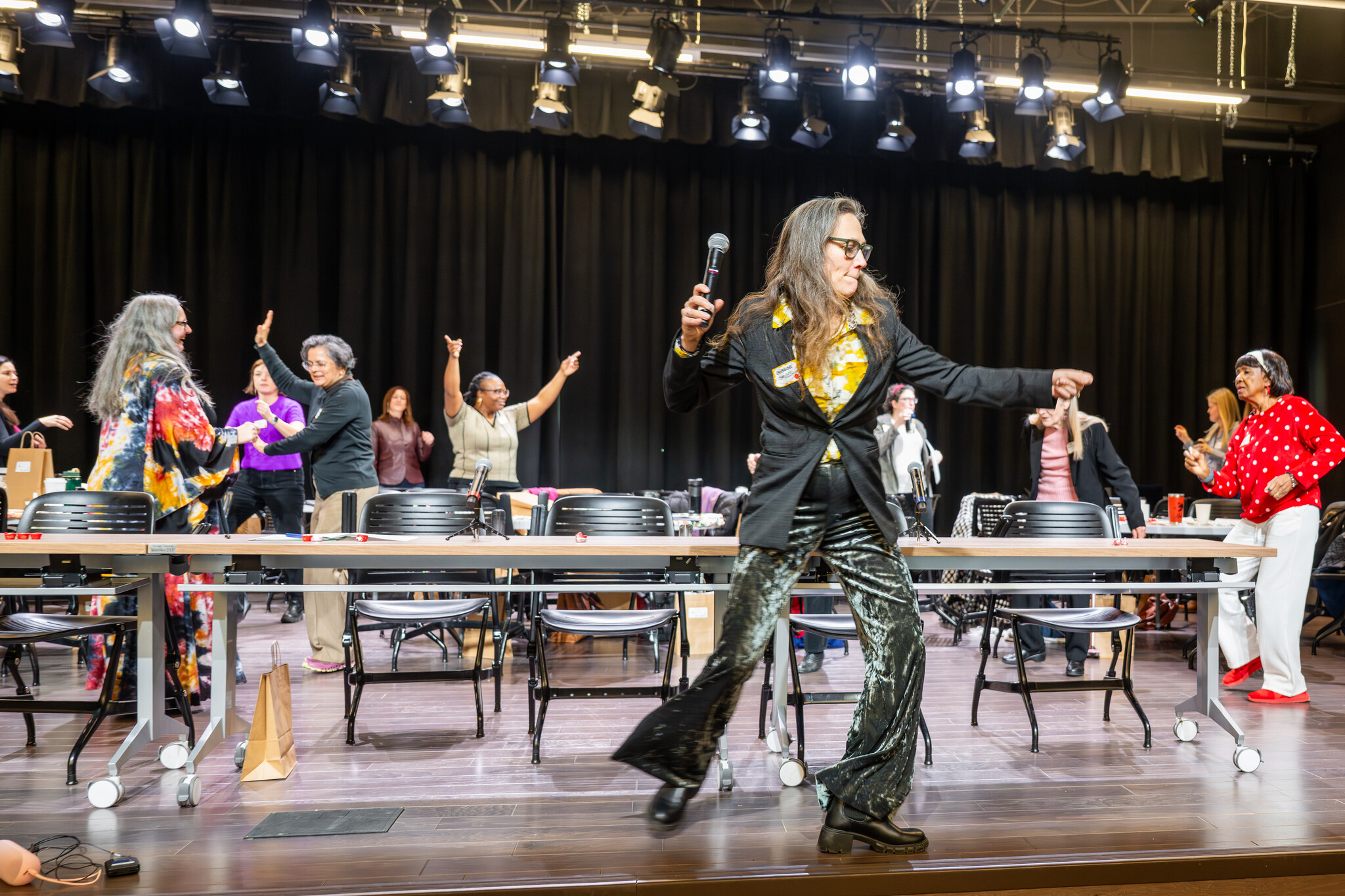
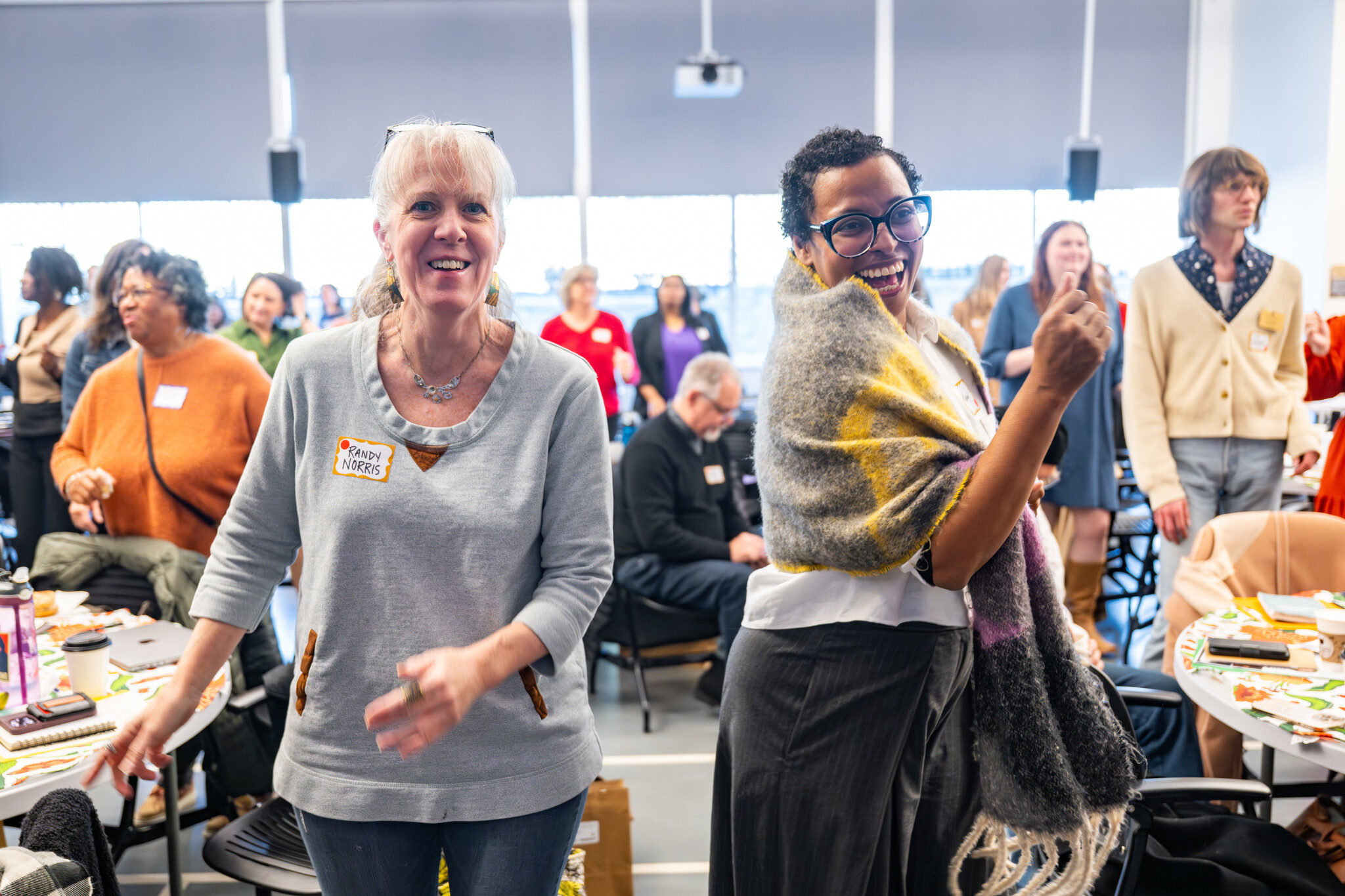
Symposium attendees take a dance break.
Aly Maier Lokuta, assistant vice president at New Jersey Performing Arts Center – the first program to have insurance carriers cover the cost of arts prescriptions – emphasizes the importance of asking patients questions to make Arts Rx work.
Once a prescription is provided, a link worker or connector talks with the patients about what matters to them and helps them find activities that fit their interests and physical needs.
The connector may book tickets, arrange transportation, or ensure the venue is wheelchair accessible. Suggested activities might include touring a museum, attending a theatre production or taking a dance class at a place like the Intergenerational Center for Arts and Wellness.
In an official Arts Rx program, the cost is free to the patient and usually covered by grants or insurance.
“Older adults may experience a loss of identity or loss of purpose when the labels they ascribed to themselves are threatened,” said Wake Forest Baptist Health geriatrician Dr. Kathryn Callahan. “Thriving in older age means having a sense of purpose and creating new labels for themselves by re-engaging in fun.”
Dance and dementia: An arts and research partnership
The Neuroarts Lab builds on more than a decade of faculty innovation, including the nationally recognized work of dance professor Christina Soriano and gerontology and geriatrics professor Christina Hugenschmidt.
In 2023, Wake Forest University and Wake Forest University School of Medicine were awarded a $3 million grant from the National Institutes of Health (NIH) to help researchers take the next steps in nearly a decade of research indicating that dance can promote cognitive health.
The grant funds a study called IGROOVE that helps researchers determine which kinds of dance, the frequency of dance classes, and which aspects of the dance class – music, social interaction, cognitive challenge – affect fitness, memory and brain health.
“The institutional investment in the Wake Forest Neuroarts Lab adds momentum to the incredible expansion of research and collaborations happening in Winston-Salem, Charlotte and across the state,” said Dr. Hugenschmidt. “We are excited to initiate new projects and collaborations that will change the narrative around scholarly research and creative work, making both more accessible to our community.”
“The diversity and range of expertise across the arts, brain health and community outreach speak to the need for further support for cross-disciplinary collaborations.”
Kenneth T. Kishida WFU Boswell Presidential Chair in Neuroscience and Society
Room to grow
The Intergenerational Center serves as a bridge. The facility sits on a 10-acre site that serves as the headquarters for Senior Services, Inc. Its proximity to Shorefair Drive and the Winston-Salem Fairgrounds places it in a high-traffic area easily accessible to the more than 20 collaborating organizations that run programs there.
“If we want the arts to be a true partner in healthcare, we have to make it as easy for a doctor to prescribe a museum visit as it is for them to prescribe an antibiotic,” said Lokuta. “We are working toward a future where that ‘warm handover’ doesn’t just happen via a phone call with a link worker, but is built into the digital fabric of the healthcare system – ensuring that every patient, regardless of their zip code, has a clear path to the healing power of culture.”
Recordings of presentations and presenter slides from the arts, health care & humanities symposium are available on the Wake the Arts website here.
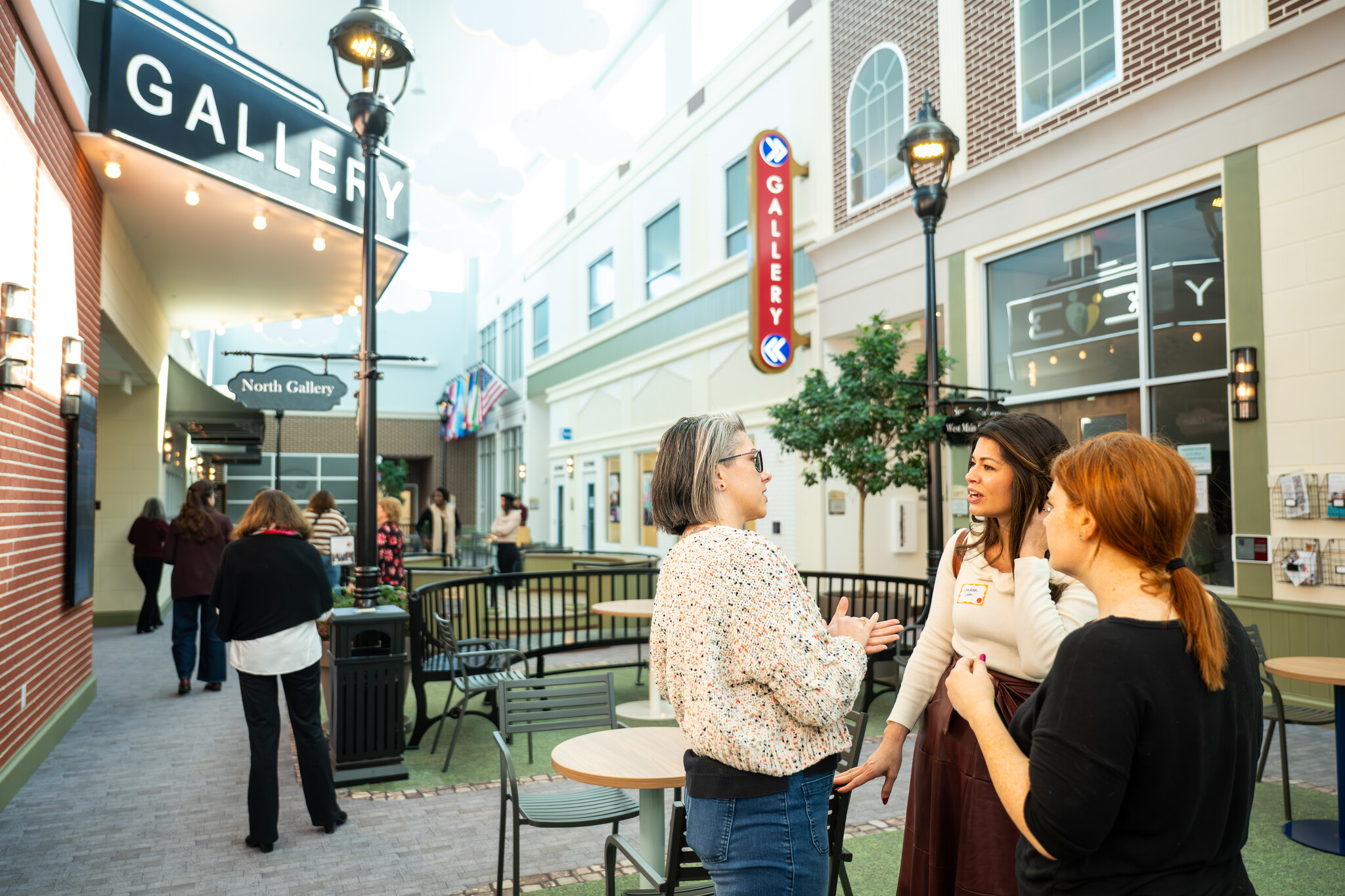
A Main St. area in the Generational Center offers space for conversation and coffee.
More than 200 people gathered to learn more about the arts, healthcare and wellness.
Dance professor Christina Soriano gets the group on their feet.
The dance break between sessions brings joy.
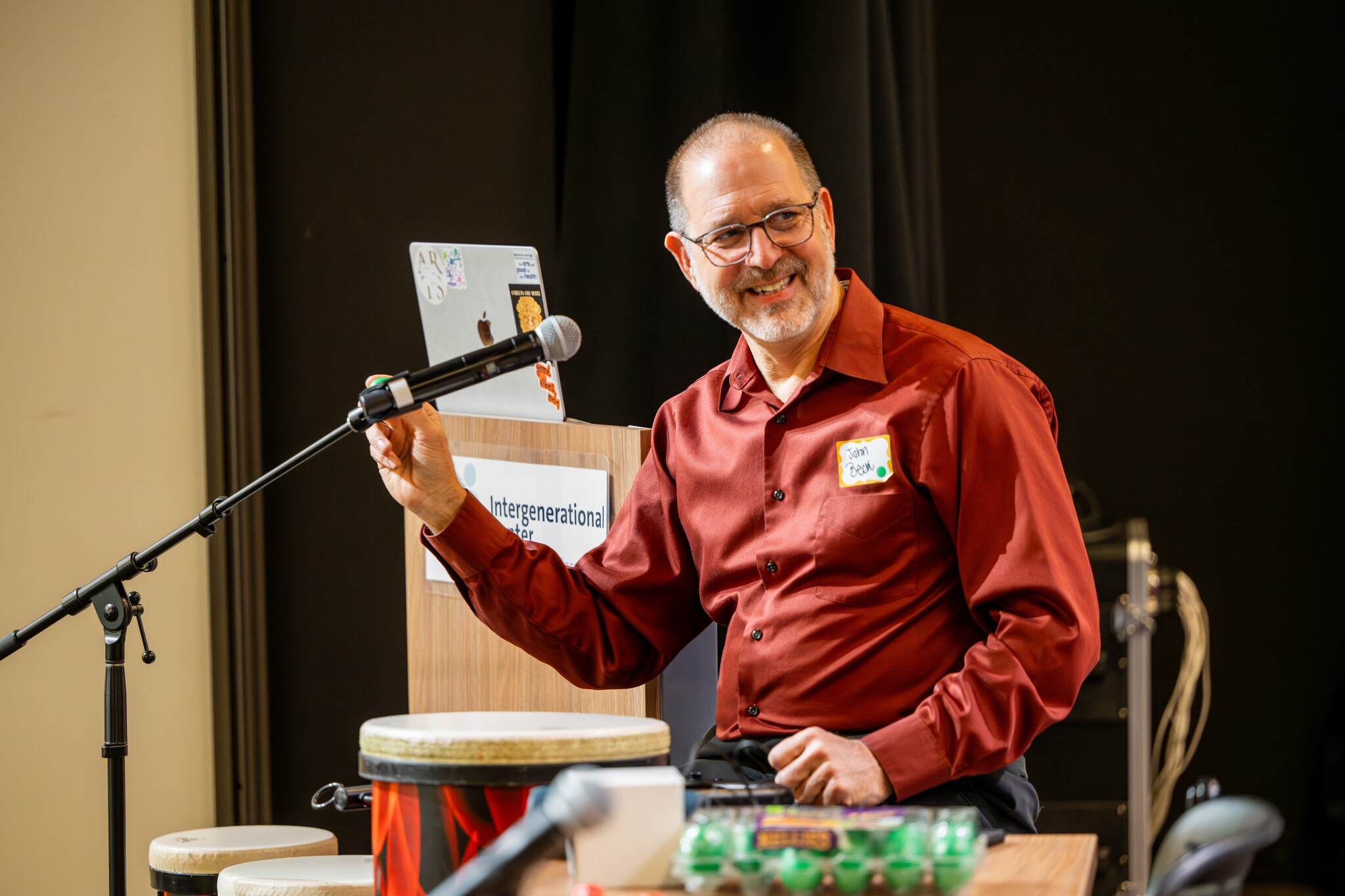
Professor John R. Beck leads the group in a drumming exercise.
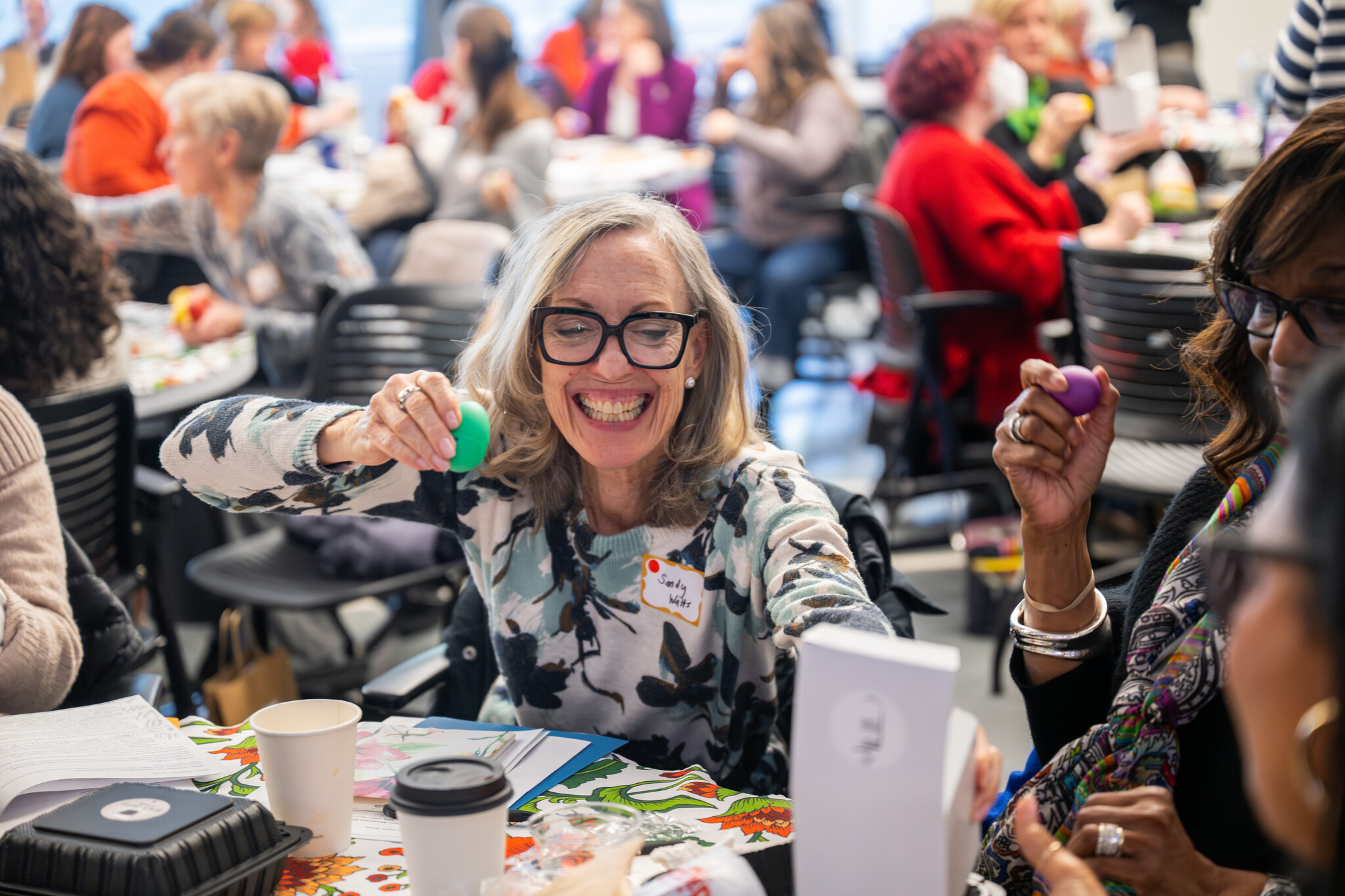
Musical therapy brings smiles to the table.
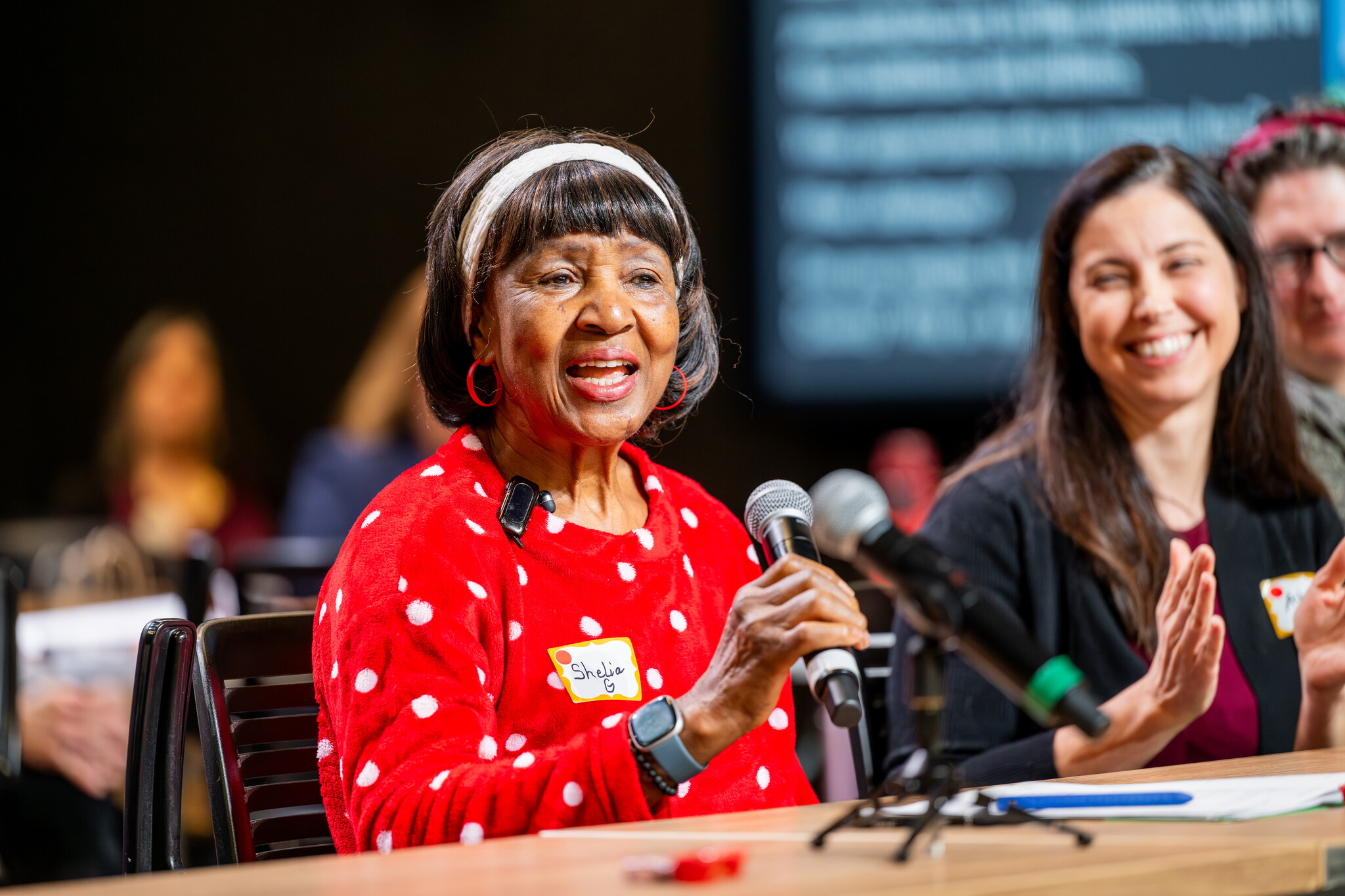
Shelia Grissard shares her enthusiasm for dance class at the Generations Center.