Why AI is ‘resurrecting’ the liberal arts for the Class of 2026
Highlights
- The “liberal arts brain” is the human catalyst for an AI-enabled workforce.
- Employers are seeking students who are not only strategic thinkers but also possess the grit to do whatever is required to get the job done well.
- Students are using shorter, diverse “micro-projects” to demonstrate the value and adaptability that 70% of employers now prioritize.
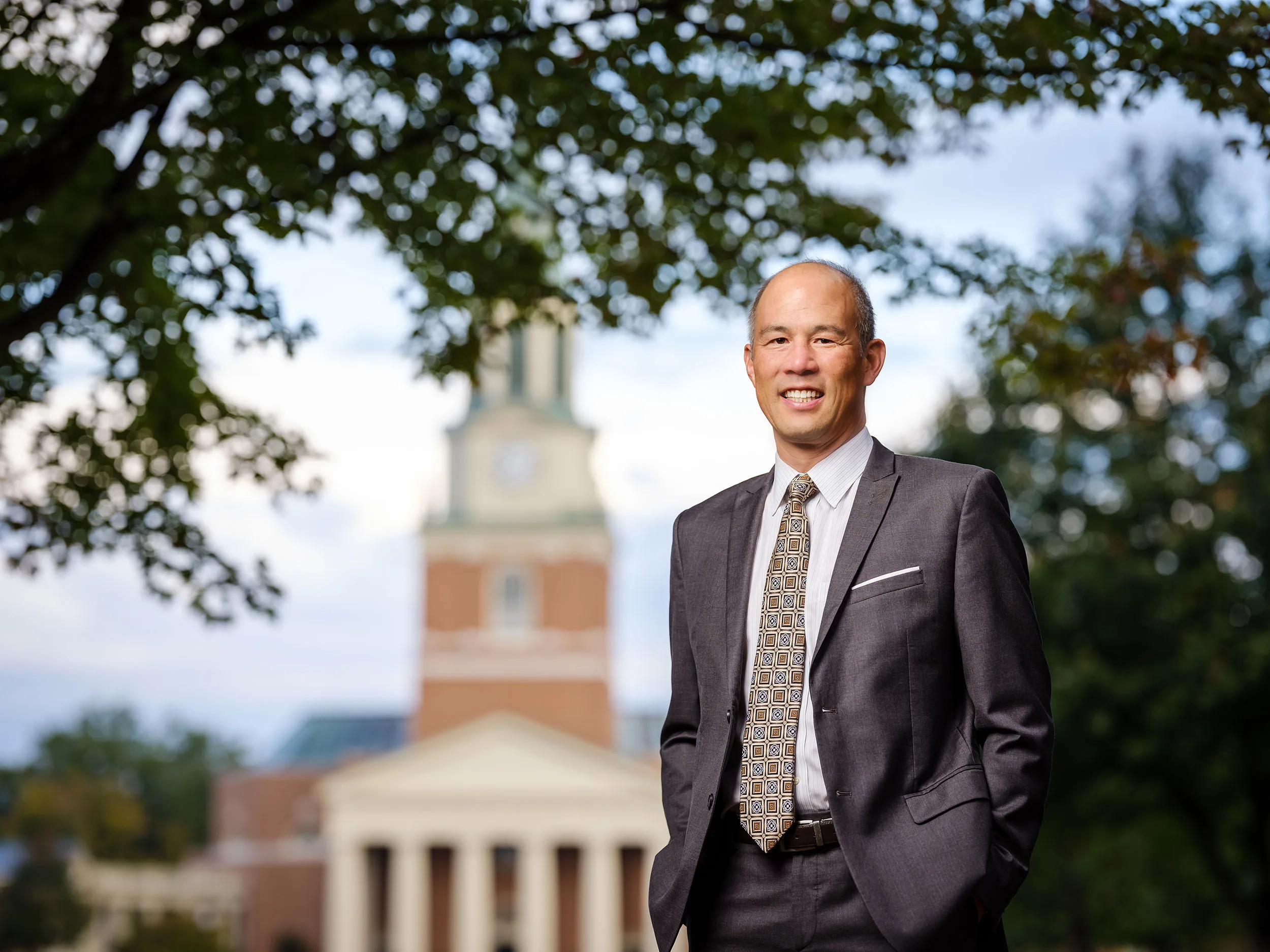
As the Class of 2026 prepares for commencement, the narrative around the entry-level job market is shifting. While many headlines suggest AI is a threat to new grads, Andy Chan, Vice President for Innovation and Career Development at Wake Forest University, argues the opposite: AI is actually resurrecting the value of a liberal arts education.
In what the National Association of Colleges and Employers (NACE) is rating 2026 as a “fair” job market—the first time the market has leveled off to this neutral rating since 2009—the advantage goes to the “strategic doer.” Chan is available to discuss why the “liberal arts brain” is the human catalyst for an AI-enabled workforce.
Expert angle: The new calculator metaphor
Chan can provide insights and expert commentary on:
- Why AI is “resurrecting” the liberal arts: As AI automates technical and executable tasks, the market is seeing a reversal in value. Critical thinking and ethical reasoning—once labeled “soft skills”—have evolved into high-stakes, durable skills. AI has commodified the how of work, placing a substantial premium on the human agency required to define the what and the why.
- Intellectual oversight vs. AI skills: According to new data from the LinkedIn 2024 Work Change Report, 70% of the skills required for the average job are expected to change by 2030 because of AI. Chan argues that AI skills are just the “new calculator”—essential to master—but their value depends entirely on the user’s strategic intent and ethical oversight.
- The “strategic doer” vs. the preparedness gap: While 96% of employers value constructive dialogue, a report by the American Association of Colleges and Universities (AAC&U) found that only 34% of employers believe recent graduates are “very well prepared” in critical thinking and communication. Chan can share why employers—who give Wake Forest an NPS of 70+—are seeking students who are not only strategic thinkers but possess the grit to do whatever is required to get the job done well.
- The shift to skills-based hiring: According to NACE, only 42% of employers plan to screen by GPA in 2026—a seismic drop from 73% in 2019. Chan can discuss how students are using shorter, diverse “micro-projects” to demonstrate the value and adaptability that 70% of employers now prioritize.
The spring surge: People hire people, not paper
While early-season forecasts were conservative, employer confidence has surged. NACE’s Job Outlook 2026 Spring Update reveals that hiring projections have been revised upward to a 5.6% increase compared to last year.
We are debunking the myth that the hiring window closes at graduation. The data confirms that a “spring surge” is the new standard: 37% of full-time hiring for this class is happening now, with a wave of ‘just-in-time’ hiring expected to continue through the summer.
Chan’s advice for students navigating this surge:
- Human-led networking: As Chan states, “Since people hire people, not paper,” he advises students to apply the 80/20 rule: spend 80% of their time networking to find connections and advocates, and only 20% on traditional applications.
- The June jumpstart: Chan views graduation as a milestone, not a deadline, and encourages students to use the early summer to reassess goals and tap into the “hidden” job market.
Why Wake Forest
Under Chan’s leadership, Wake Forest has become a national model for an integrated college-to-career culture. Unlike traditional siloed offices, WFU begins career engagement on Day One of Orientation, creating a four-year lifecycle that prepares students to be nimble in the face of disruption. Furthermore, Wake Forest provides lifelong personal and career development support and resources for every stage and transition of an alumnus’ career journey.
Available for interview
Andy Chan can provide strategic insights and visionary leader perspectives for your graduation features. We can also provide student stories from those navigating the “spring surge” or from successful alumni who used Wake Forest’s “Year One” and “Five For Your First Five” framework.
Recent News
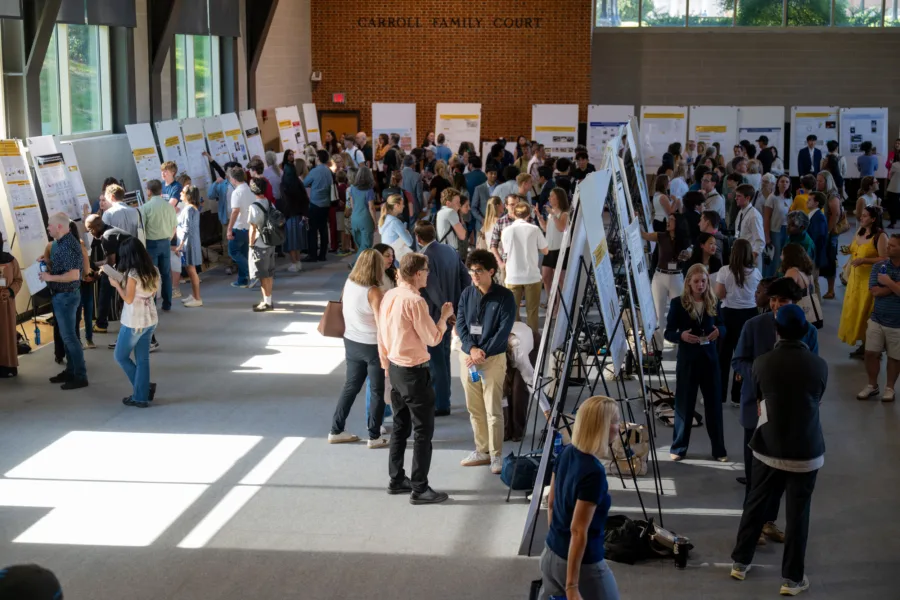
Celebrating 20 years of undergraduate research and discovery
Celebrating 20 years of undergraduate research and discovery
What the neuroscience of motivation has to say about GLP-1 drugs
What the neuroscience of motivation has to say about GLP-1 drugs