Could Medicare GLP-1 Bridge lead to bone problems?
HIGHLIGHTS
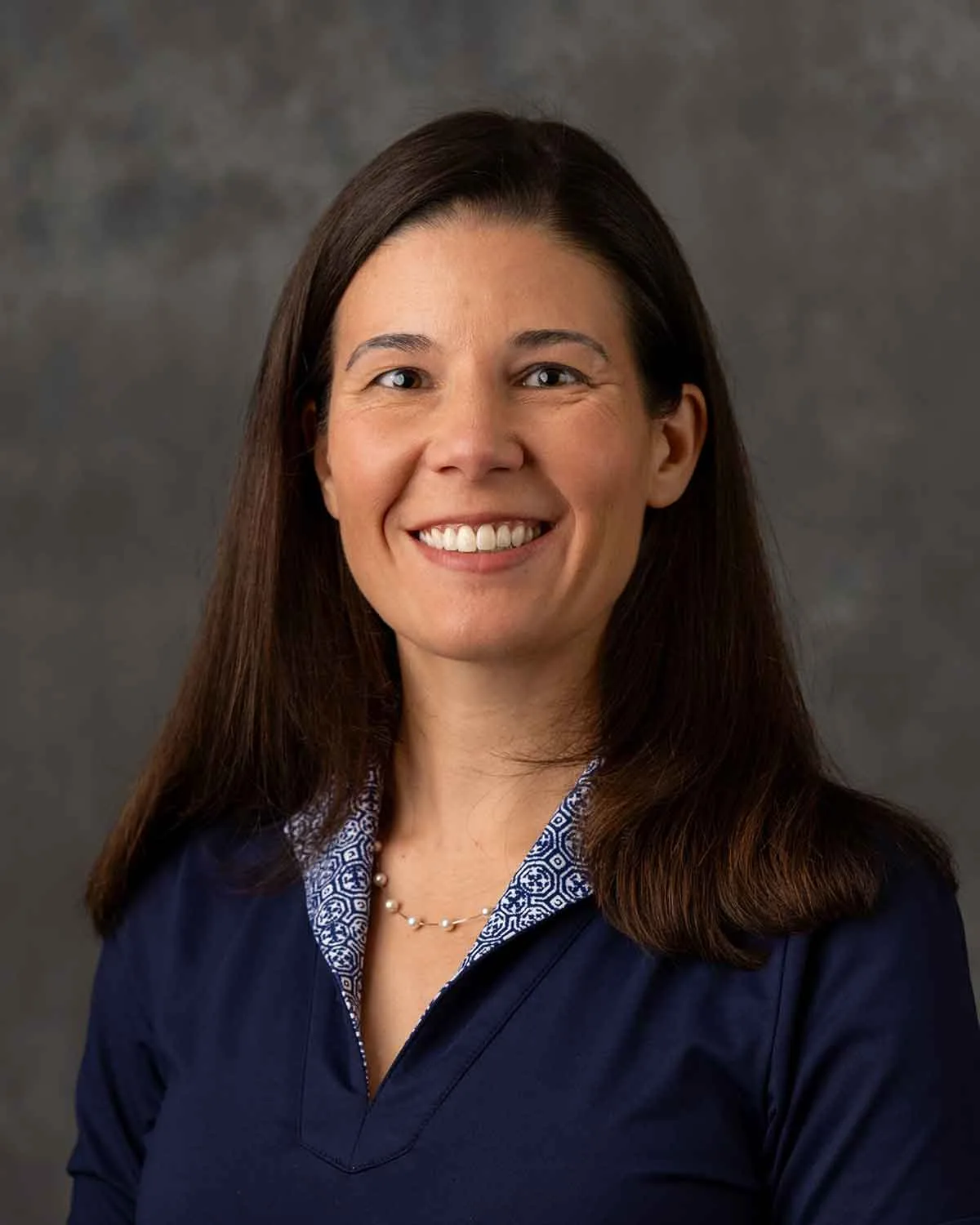
- Kristen Beavers is a research professor in the Department of Health and Exercise Science at Wake Forest University.
- Beavers studies how older adults can lose weight safely.
- With more affordable access to GLP-1 weight loss drugs, older adults risk weakening their bones, research suggests.
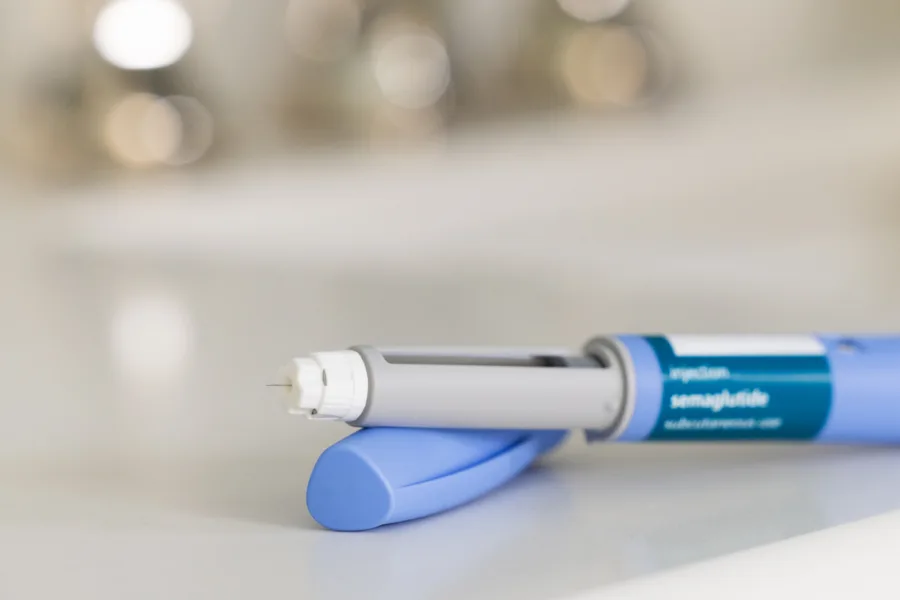
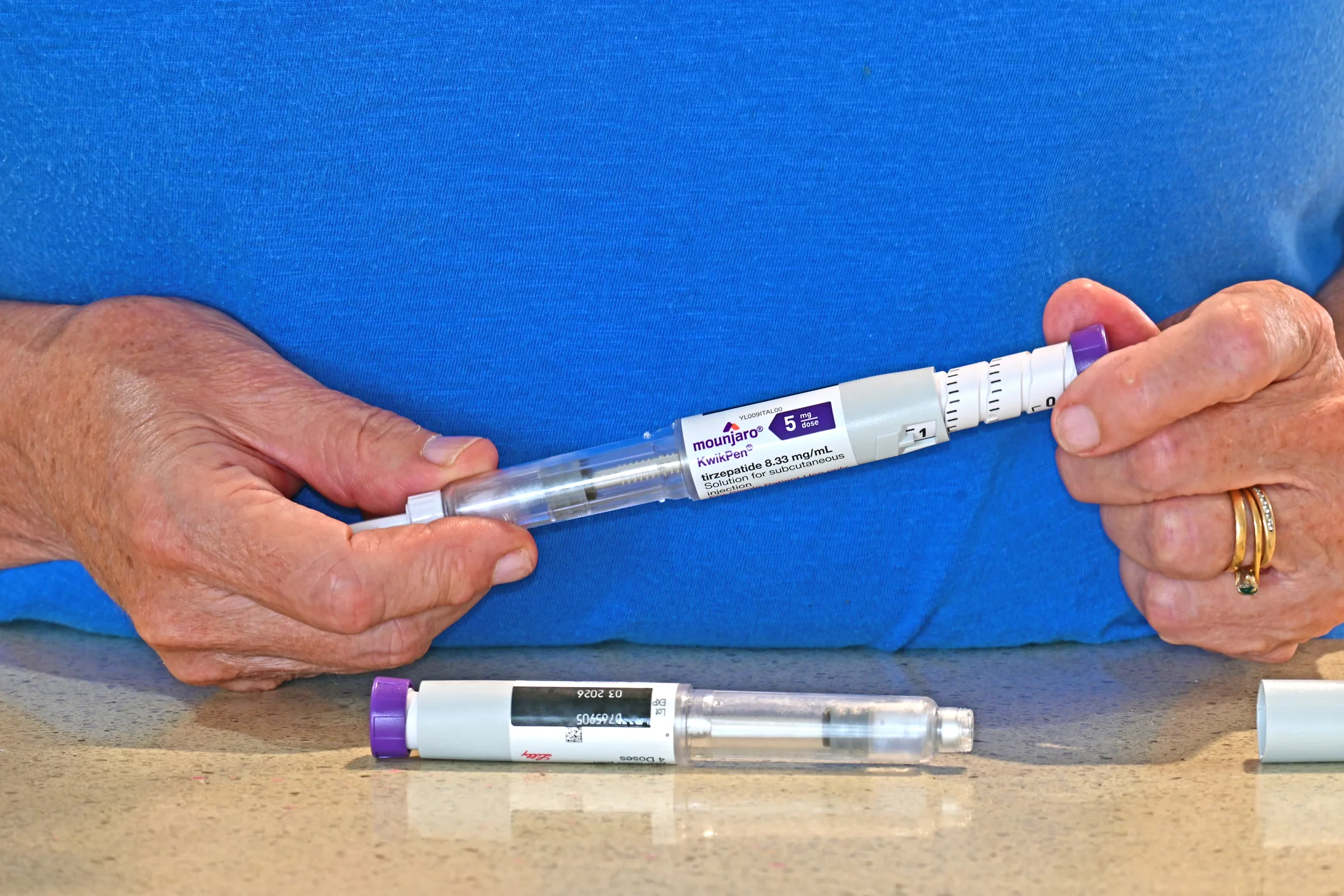
The new Medicare GLP-1 Bridge program offers broader, more affordable access to weight loss drugs to address the growing obesity crisis. But there’s a catch when it comes to bone health.
The rapid, substantial weight loss from GLP-1 use can amplify the loss of bone and muscle that occurs when older adults lose weight, said Kristen Beavers, a Wake Forest University expert on aging, obesity and bone health. Lose too much bone mass, and it increases the risk for fractures, disability and loss of independence.
It’s a problem Beavers says is far from niche. Nearly 40% of older adults in the U.S. currently live with obesity, roughly 23 million people. As GLP-1 medications make substantial weight loss accessible to a growing share of that population, the number of older adults facing this bone-loss tradeoff is set to climb right along with it.
“Where the degree of weight loss is similar to bariatric surgery, like maybe 25%, it stands to reason that the magnitude of bone loss is also going to be increased,” she said. “I think that’s concerning for older adults in particular, because they’re at greater risk for fracture.”
Beavers studies how older adults can lose weight without sacrificing bone and muscle mass. She has received more than $12 million in National Institutes of Health funding to study the issue.
Do older adults need to choose between weight loss and bone health?
No, but the trade-offs must be managed. Beavers notes that losing weight has shown to improve mobility, reduce joint stress, control blood sugar and reduce risk of cardiovascular disease, among other benefits.
But, since weight loss in this group always includes some loss of muscle and bone, it also increases the risk of fractures and the accompanying health and lifestyle problems.
Beaver calls it a deliberate balance: “How do we get the cardiometabolic benefits of weight loss without quietly creating a new problem—skeletal fragility—in the very population least able to recover from fractures?”
What does the research say about GLP-1 drugs and bone loss?
In one study of a weekly dose of the GLP-1 drug called semaglutide (such as Ozempic or Wegovy), people lost about 10% of body weight and 2.5% of bone. People who lose the same amount of weight through lifestyle changes (such as calorie restriction and exercise) lose 1–2% of bone.
“That’s just one study,” Beavers said, “but it aligns with what we already know about weight loss contributing to bone loss, regardless of how that weight loss is achieved.”
Now that dynamic is playing out on a much larger scale. “Take this and apply it to this next generation of medicines, which are capable of producing a degree of weight loss once only achievable with bariatric surgery, in a population that is already losing bone due to age,” Beavers said. “And I think there is a significant risk here that needs to be managed.”
Beavers points to Wegovy’s own prescribing information as real-world evidence of that risk. Drawing on data from the SELECT cardiovascular outcomes trial, the label reports more hip and pelvis fractures in women taking the drug compared to placebo (1% vs. 0.2%), and a starker difference in patients 75 and older (2.4% vs. 0.6%).
What can you do to protect your bones while taking a GLP-1?
A joint advisory from the American College of Lifestyle Medicine, American Society for Nutrition, Obesity Medicine Association and The Obesity Society suggests that GLP-1 treatment be accompanied by care addressing diet, exercise and lifestyle. The advisory notes that many patients on GLP-1s get little to no nutrition/lifestyle counseling, creating a significant gap in care.
Beavers has studied multiple modes for safer weight loss in older adults, including resistance training, wearing a weighted vest and taking osteoporosis drugs (bisphosphonates like Fosamax).
Based on her research, she recommends that older adults who are considering starting a GLP-1 to lose weight:
- Get a baseline bone scan before starting treatment.
- Ask about extra monitoring if they have osteoporosis, a prior fracture history or noted frailty.
- Incorporate exercise, especially resistance training, during treatment.
- Eat a diet with higher protein intake, plus adequate vitamin D and calcium.
Beavers is a research professor in the Department of Health and Exercise Science at Wake Forest University. She also is a professor of Internal Medicine, Section on Gerontology and Geriatric Medicine and associate director of the Sticht Center for Healthy Aging and Alzheimer’s Prevention at Wake Forest University School of Medicine.
She recently received a five-year NIH grant totaling more than $800,000 to enhance research and educational capacity in emerging areas relevant to aging, obesity and body composition at Wake Forest. That includes studying the risk-benefit of GLP-1 use in older adults.
Beavers can provide expert insight on how greater access to weight loss drugs through the Medicare GLP-1 Bridge program raises concerns about bone loss in older adults. To arrange an interview, email .
Recent News
NASA grant offers Wake Forest students an opportunity to help develop new tools to understand gravity
NASA grant offers Wake Forest students an opportunity to help develop new tools to understand gravity
Celebrating 20 years of undergraduate research and discovery
Celebrating 20 years of undergraduate research and discovery