The World Cup is here. Here’s how it can get kids moving.
With 48 international soccer teams visiting U.S. cities for pre-World Cup training – including the German Men’s National Team in Winston-Salem – a Wake Forest University Health and Exercise Science professor sees an exciting opportunity for pro players to influence the health and wellbeing of local youth for years to come.
Abbie Wrights, an associate teaching professor, offers a course on the culture of youth sports. Her students talk about the influence of role models for young athletes and the wide-ranging benefits of youth sports participation.
Research has shown that youth sports can help young people:
- Build resilience, discipline and hard work.
- Foster a sense of belonging and cooperation, making healthy conflict resolution easier.
- Enhance concentration and academic performance.
- Cultivate healthier habits and well-being that lasts into adulthood.
Here’s how Wrights believes the World Cup can help children and adolescents tap into those benefits.
As a health and exercise scientist, why are you excited to see elite World Cup athletes training in the U.S. and offering opportunities for fans – and potential fans – to watch?
If I think about the motto of our department, it is the prevention of chronic disease and disability. Sometimes we think that happens in the later decades of life: I’ll exercise later. I’ll do that later. But if we can get kids inspired by the World Cup, if we can get them moving because of what they’re watching, then we’re starting that prevention of chronic disease and disability at a very young age. We are helping to shape a healthy future for these children.
There are so many lessons we can learn from watching the World Cup. In fact, I was riding in the car with my 13-year-old son yesterday and I said, “What does it make you feel when you watch professional sports?” And he said, “Mom, I just want to know how they got there. How are they so good?”
So we learn lessons of hard work and determination and resilience. And you know what? Not every team is going to win, so we’re going to learn how to handle disappointment.
Think about the fact that Germany is training right here in our backyard. Germany has won the World Cup four times, and it’s so cool for our kids to be able to see that team training right here in Winston-Salem. It can spark the inspiration to get moving, to kick a soccer ball, to get involved.
Why is it critical to find new ways to get young people moving?
When our children are physically active, it supports all dimensions of their wellbeing. We know that it supports their physical wellness, but we also have research that it supports their emotional wellness, their social wellness. It boosts their self-esteem. It gives them confidence. It leads to higher academic success.
The current guidelines for physical activity for both children and adolescents is to get 60 minutes of moderate to vigorous physical activity per day. This should be things the child enjoys. Maybe that’s kicking a soccer ball, maybe that’s swimming in the pool, maybe that’s jumping on the trampoline. We know that exercise that isn’t enjoyable will probably never become a habit.
Unfortunately, globally, only about 20% of children meet the physical activity guidelines. In the United States, we’re doing a little bit better at 24%, but we still see the vast majority of children don’t get enough physical activity. The Healthy People 2030 Initiative also has a goal that 63% of children participate in organized sports. Currently, we’re at about 55% in the U.S. In North Carolina, we’re about 52%, a little bit below the national average.
Why aren’t kids moving more – and how can sports change that?
This crisis of physical activity in our children, like any other public health crisis, is complicated. We certainly can’t blame it on one thing. But I think we have to talk about the increase in technology and screens.
In the class that I teach, we talk a lot about this question of have we actually redefined play? A decade, two decades ago, when you told a kid to go play, they would go outside. They’d climb a tree, they’d kick a ball, they’d find a neighborhood friend to play with. Now when you tell a kid to go play, they pick up their iPad, they pick up their iPhone, they go get on their Nintendo Switch.
Children are starting with this sedentary childhood. Here’s the problem: Kids need to learn to move. Kids need to learn to run and jump and skip and climb. Sedentary children probably become sedentary adults.
As a parent of youth athletes, I’ve seen the many benefits they’ve gained from participating in youth sports, particularly team sports:
- In terms of physical health, just moving their body and learning to appreciate that their bodies are made to move has been so important.
- In terms of their emotional health, I’ve seen them learn to manage their stress and emotional regulation and to learn to navigate some of those difficult emotions that come with sports.
- In terms of academics, it’s given them structure and time management, and they’ve really learned the value of hard work.
Children can learn to navigate conflict, they learn respect, they learn teamwork, they learn to be a good sport to navigate wins and losses. There’s so many things that can build character through playing youth sports.
Why teach a course about the culture of youth sports? What does the research say about elite athletes and their positive influence on young people?
I wanted to teach a class that combined my expertise in exercise science and my passion, which is sports. I grew up playing sports. One of my greatest joys now is watching my kids play sports. In my class, we talk a lot about the interesting things that come out of the research, but also that come out of their stories. It has made for a really interesting, productive class.
While sports role models isn’t a topic we explicitly discuss in class, I find that it comes up in almost everything we talk about. Students love to talk about whether it’s their coach or their parent or a celebrity that really inspired them to start participating in sports, to stay active in sports, or maybe even to pursue their dream of playing in college.
In terms of influence, research also points to something called the demonstration effect. In this phenomenon, when the general public watches high-level sporting events, they often get inspired to get involved. For our children watching the World Cup, maybe that means they want to go out and kick a soccer ball or even join a local sports league.
When the World Cup wraps up in July, all these elite athletes will return home. What can we do to keep the demonstration effect alive?
The research on the demonstration effect says it needs to be supported by communities because that inspiration, it’s going to fade. If we can leverage that with supportive families and communities and schools, then hopefully the child will stay involved in the sport.
So while the World Cup might provide the spark, we still need the fuel to continue participating.
Parents should help their children find ways to get involved. Parents should also model physical activity for their children. The research is very clear that parental physical activity is one of the greatest predictors of the child’s lifelong health and physical activity. So the parents should get outside and kick the soccer ball, too.
Coaches can find ways to make the sport fun. The research shows that parents might be the reason kids get involved in sports, but typically it’s coaches who keep kids involved in sports.
Schools should find ways to provide equitable opportunities for children to be involved in sports. Sometimes a school environment is the only place a child will have a chance to experience a sport. So if they can find ways for kids to move throughout the day, that’s helping to promote lifelong physical activity.
With a World Cup team practicing right here in our community, I hope that kids get inspired. I hope they decide, “Hey, I could do that too.”
I don’t think the goal is for every child to become a professional athlete, but the goal is to get every kid to be active and moving. The goal is to promote physical activity in some way through this inspiration that comes from the World Cup team practicing in our backyard.
Learn more
See the On Topic page to hear more Wake Forest University experts discuss relevant topics and new research.
Recent News
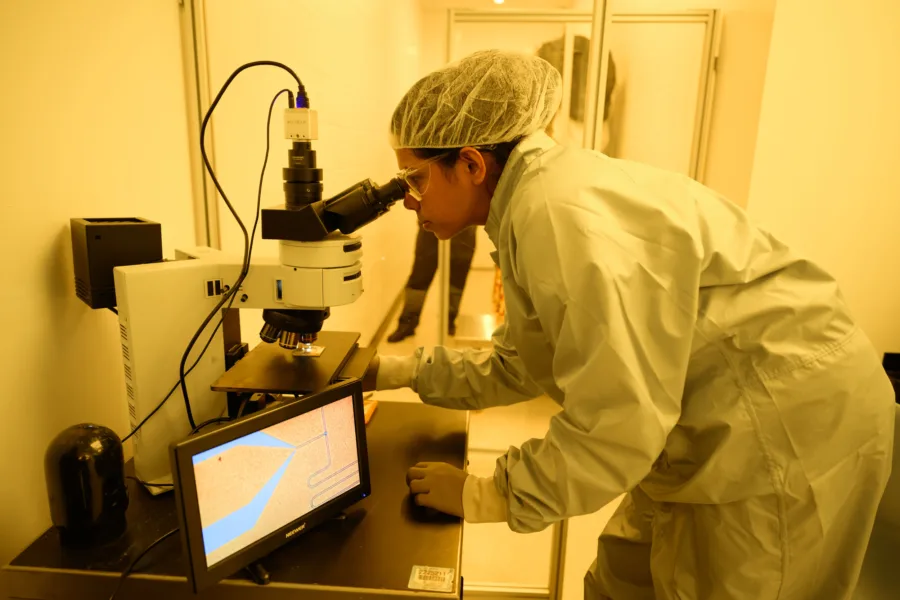
New Wake Forest quantum lab takes research to the next level
New Wake Forest quantum lab takes research to the next level
The art heist paradox: Why better police work can lead to more stolen masterpieces
The art heist paradox: Why better police work can lead to more stolen masterpieces