Wake Forest partners with Historic Bethabara Park to save 18th-century artifacts
WFU receives three-year, $750,000 grant to rescue and catalog artifacts
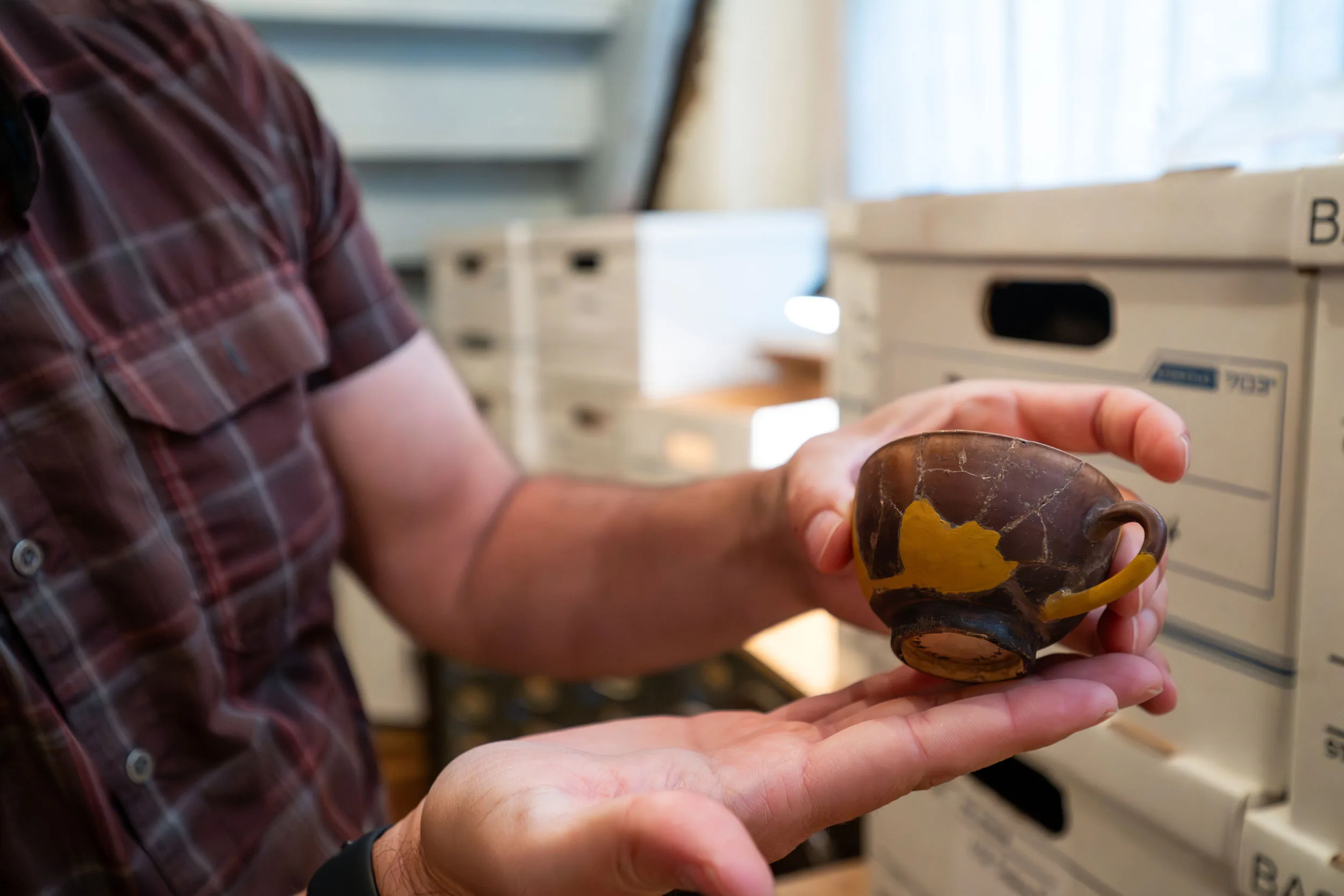
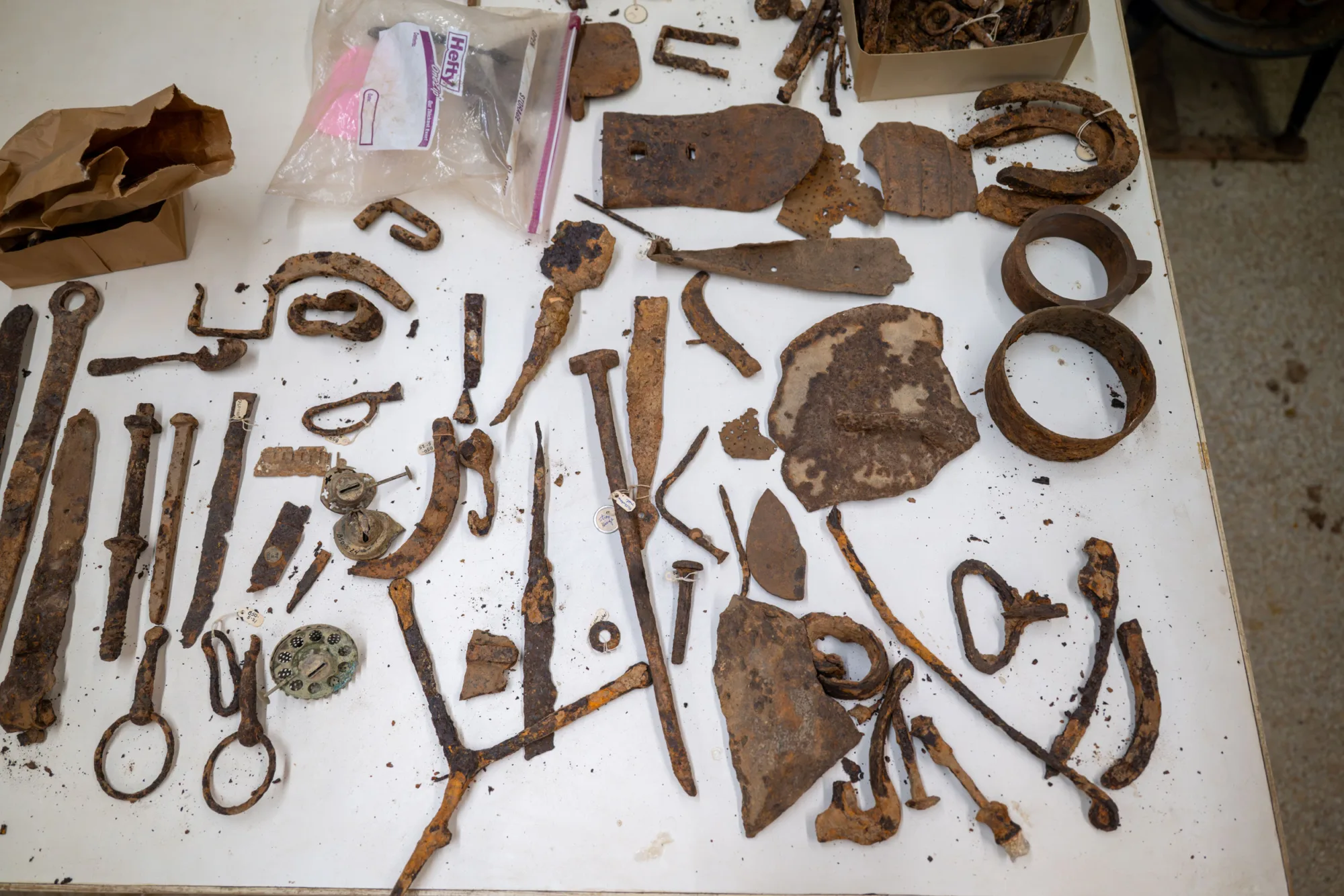
Archaeologist Terry Brock and a team of students are working to salvage artifacts from Historic Bethabara Park in Winston-Salem. Their efforts to conserve and catalog thousands of pieces of pottery and other items from Bethabara (pronounced beth-ab-uh-ruh) will shed light on the first Moravian settlement in North Carolina, which dates to the 1750s.
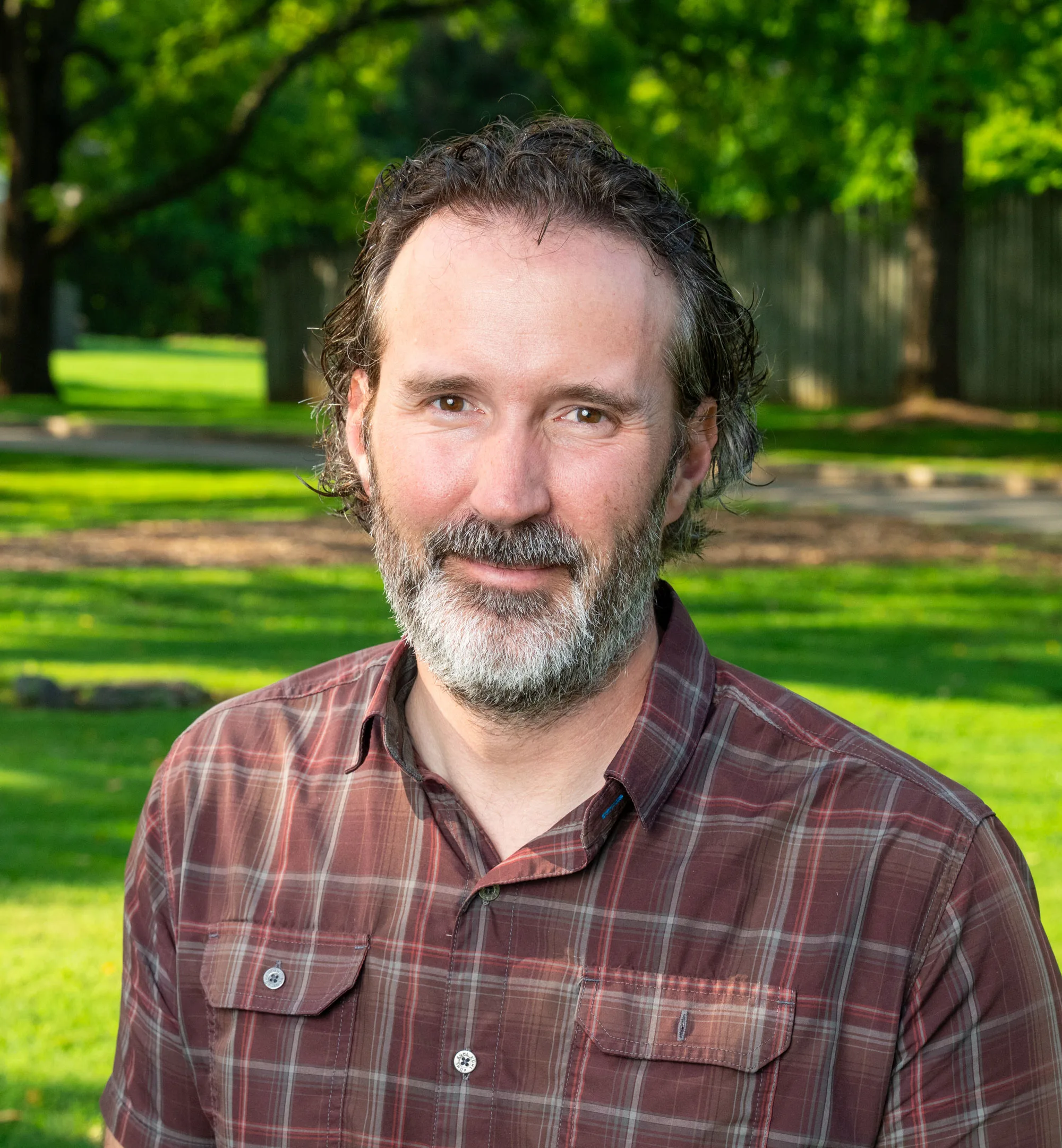
A new $750,000 grant from the National Endowment for the Humanities supports the partnership between Historic Bethabara Park and Wake Forest University’s Cultural Heritage and Archaeology Research Group (CHARG), which Brock directs. The three-year grant was awarded through the NEH’s “Rediscovering Our Revolutionary Tradition” program.
“The project will make these artifacts, maps, field notes, photographs and reports accessible for research and public interpretation—especially timely for the nation’s 250th anniversary.”
Terry Brock, Part-time Assistant Professor and University Researcher at Wake Forest.
Grant includes student, community participation
The grant will primarily fund staff archaeologists and laboratory space, but will also include the hiring of student workers and public programming for the community, in addition to some funds for Bethabara to build exhibits.
Students will receive hands-on training in archaeological collections care and can participate in public programming for the project. Brock often leads archaeological excavations with students and has directed multi-year excavation projects.
Community participation is also important. Brock and his team plan to recruit and train community volunteers through two Wake Forest Lifelong Learning courses and will work to develop a volunteer program so that people from the community can participate in the work.
“Without Bethabara, there is no Winston-Salem, so everyone here is connected to this project, whether you’ve been here for a year or your family connects back generations. Providing opportunities for our community to participate in this project is a great way for us to connect to our shared past, and to learn about how our community has become what it is today.”
Ceramics, glass and clay pipes
The funding support comes at a crucial time as Brock and his team are working to relocate portions of the collection—including ceramics, glass and clay pipes—from a flood-prone building with mold issues. The project will combine this collection with two others from Bethabara. One is stored at Wake Forest’s Archaeology Lab in the Department of Anthropology.
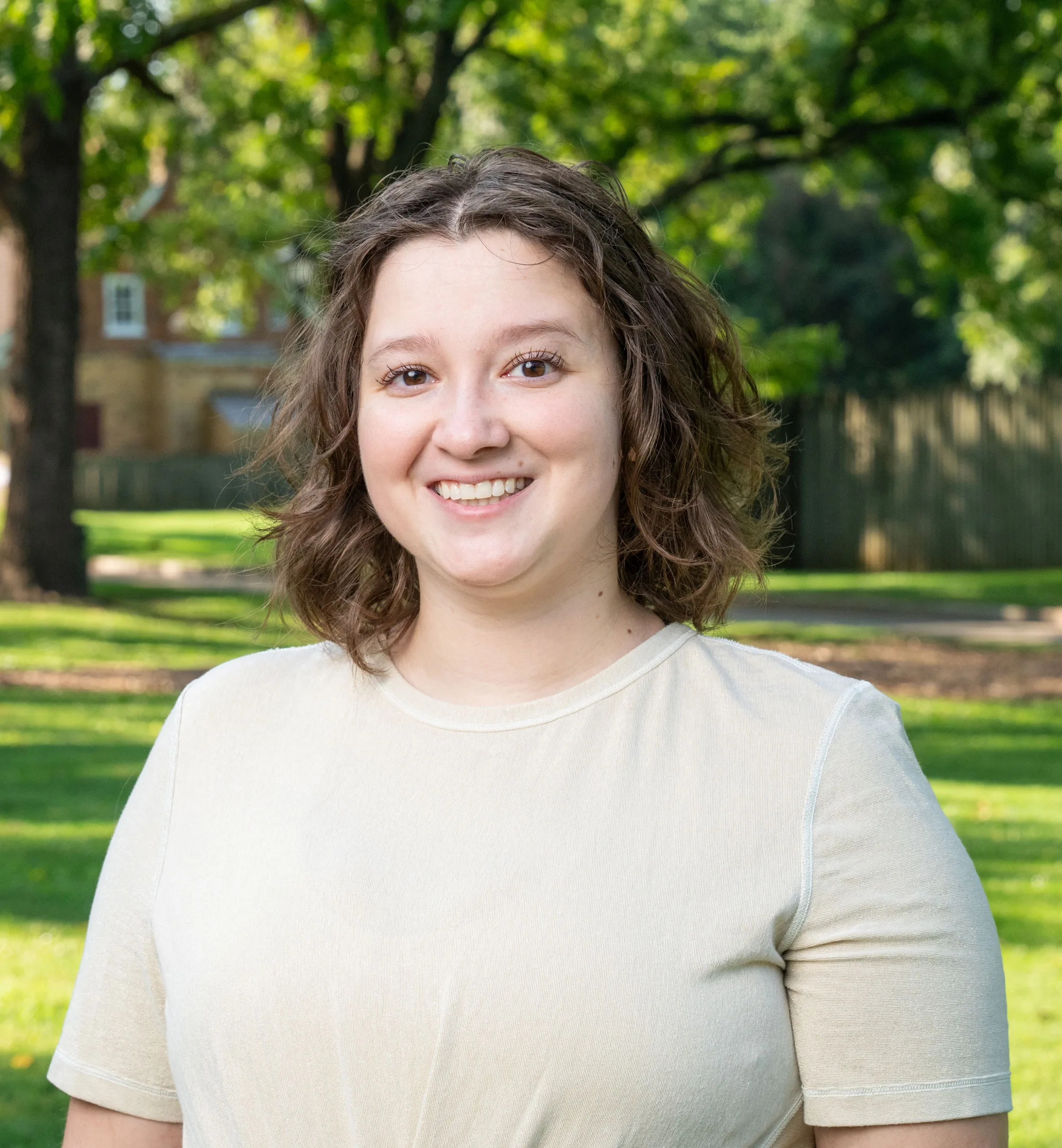
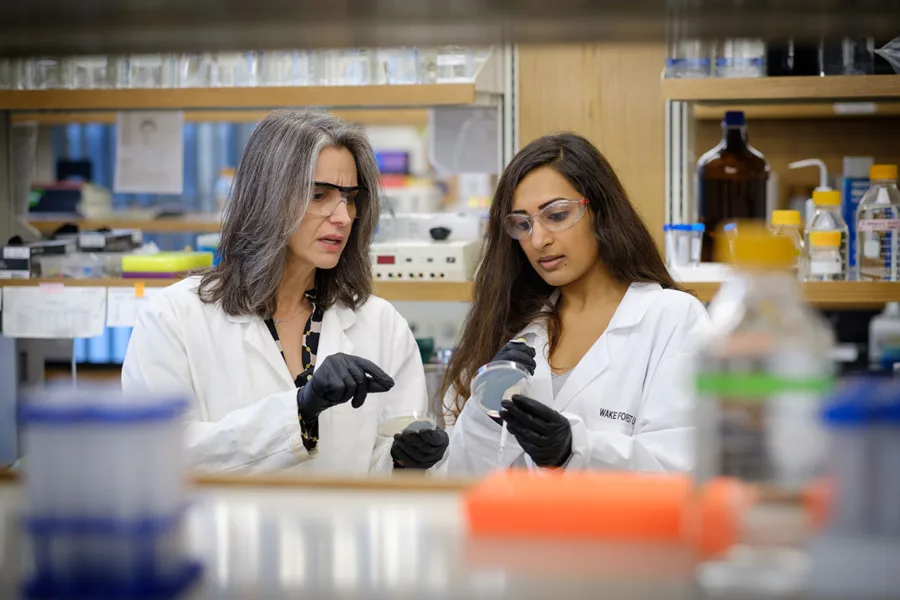
Brock and his students who work in the building protect themselves by wearing white coveralls and booties, respirators, gloves and goggles. Despite the difficult circumstances, especially during the summer heat, Wake Forest senior Kate Wingate said she is grateful to be part of the project.
She worked with Brock over the summer to take boxes of items, mostly filled with pottery, out of the damp building and put them into clean boxes so they can be cataloged. Many of the items she saved were broken pottery pieces, called “sherds” – as opposed to “shards,” which are broken glass—she said.
“I think that archaeology is a really cool thing that allows us to come up with hypotheses about how people actually lived and lend more to that historically documented information,” she said.
Wingate is double majoring in anthropology and history, with a minor in cultural heritage and preservation studies. She’d eventually like to work in historical archeology, specifically focusing on marginalized groups.
“I’m really interested in how physical remains and the things people leave behind can tell us about people who are otherwise absent from the historical record,” she said.
Bethabara’s role in building America
Bethabara is important in American history as the site of the first Moravian settlement in North Carolina and a National Historic Landmark, according to the Historic Bethabara Park Board of Trustees.
Established in 1753, Bethabara became a busy center for trade and played a central role in the country’s practice of religious freedom. Today, the park covers 183 acres and allows the public to visit its unique landscape that features the excavated foundations of the original town.
Geoffrey Hughes is co-chair of the collections committee on Bethabara’s board and is a lecturer in the Department of Anthropology at UNC Greensboro. He says the board believes the records “are not merely relics of the past but are vital tools for education today.”
“We are thrilled to finally give these collections the renewed attention they deserve, creating a resource that can be fully utilized for research and public engagement,” he said. “We believe that rehabilitating this collection is a critical step in both honoring the legacy of those who settled Bethabara and in securing the park’s future as a premier destination for historical discovery.”
— Contributed by Kelly Hinchcliffe
Categories: Community Impact, Research & Discovery, Undergraduate research
Media Contact
Wake Forest News
336.758.5237
Recent News