Charles Iacovou named Dean of Business
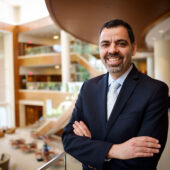 Charles Iacovou will become the next Dean of the Wake Forest University School of Business, effective July 1.
  Charles Iacovou will become the next Dean of the Wake Forest University School of Business, effective July 1.
  Meet 14 graduates inspired by their experiences at Wake Forest to lead lives that matter.
Categories: Alumni, Campus Life, Community Impact, Enrollment & Financial Aid, Environment & Sustainability, Experiential Learning, Happening at Wake, Mentorship, Research & Discovery, University Announcements, Wellbeing
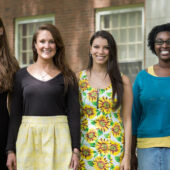 Trekking to a Buddhist temple in the Himalayas as part of Wake Forest’s study abroad program in India sparked Jessica Argenti’s love for forging new cultural understandings. She and six others have earned Fulbright scholarships in countries around the world.
Categories: Experiential Learning, Mentorship, Research & Discovery
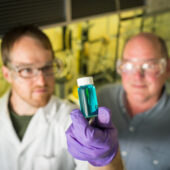 A new compound created by Wake Forest chemists could help scientists probe the secrets behind deadly forms of cancer, Alzheimer’s and heart disease. The research is featured in the current edition of the Journal of the American Chemical Society.
 Categories: Leadership & Character, Mentorship, Research & Discovery
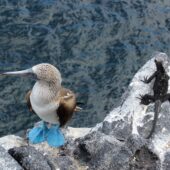 Blue-footed boobies are on the decline in the Galápagos. A new study shows a low-sardine diet could be the reason behind the 50 percent drop in population.
Categories: Global Wake Forest, Mentorship, Research & Discovery, University Announcements
 MSNBC television host, political thought leader and Wake Forest University alumna Melissa Harris-Perry (‘94) will return this summer to her alma mater as a chaired professor.
Categories: Alumni, Awards & Recognition, Campus Life, Community Impact, Global Wake Forest, Inclusive Excellence, Mentorship, Pro Humanitate, Research & Discovery
 With support from Blue Cross Blue Shield of North Carolina (BCBSNC), Wake Forest aims to transform the way college campuses approach well-being and become a model for others in higher education.
 Categories: Experiential Learning, Research & Discovery, Transformative Giving, University Announcements
 An iPhone app developed by a team of Wake Forest freshmen could one day enable patrons at campus restaurants to vote for what songs play over the speakers.
Categories: Experiential Learning, Leadership & Character, Mentorship, Personal & Career Development, Pro Humanitate, Research & Discovery
 Students are learning to better navigate their career paths by creating vision maps that capture the patterns and themes in life’s most significant moments and connect them to possible choices after graduation.
Categories: Campus Life, Experiential Learning, Personal & Career Development, Research & Discovery, University Announcements
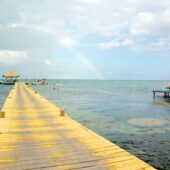 Lighthouse Reef Atoll is one of the most pristine marine environments in the Caribbean Sea due to its remote location. Students taking an Ecology and Conservation of Coral Reefs class spent their spring break exploring the Atoll's startling array of biodiversity.
 Categories: Experiential Learning, Global Wake Forest, Leadership & Character, Mentorship, Pro Humanitate, Research & Discovery