Nolan’s ‘The Odyssey’: Why a 2,700-year-old epic is the ultimate guide to resilience in the age of AI
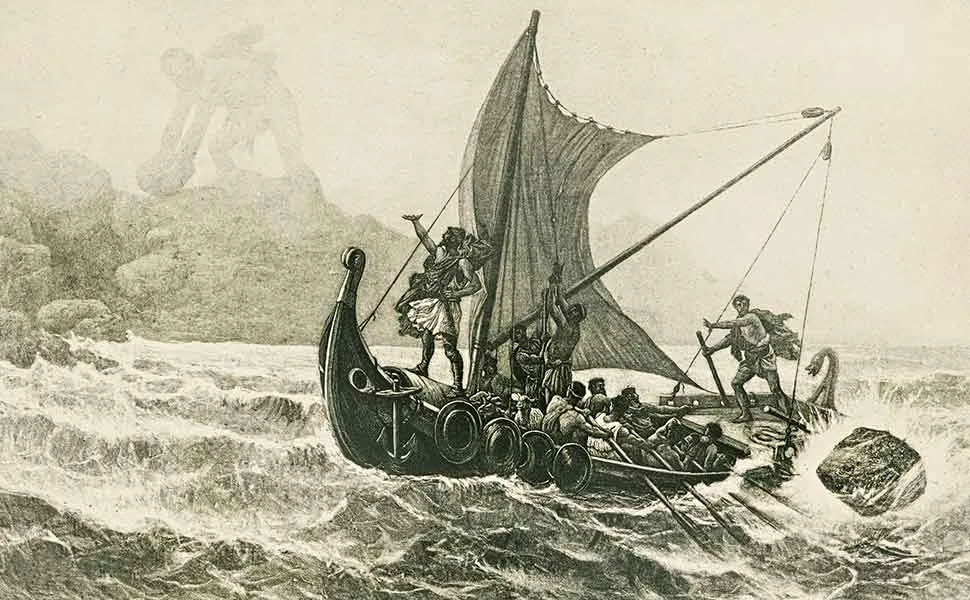
As movie-goers watch Matt Damon fight his way home in Christopher Nolan’s “The Odyssey,” the biggest question isn’t how Nolan pulled off the massive cinematic scale, secured the $250 million budget, or created the mythical monsters—it’s why a 2,700-year-old poem still commands this kind of attention.
According to Wake Forest University Classics professor Michael Sloan, Odysseus’s journey is the ultimate ancient study in psychological resilience. Sloan argues that Homer’s epic endures because it is an active, living dialogue—and that in an increasingly uncertain world, wrestling with Odysseus’s complex moral dilemmas and existential crises is a model for training our own minds to be nimble and adaptable as we seek to overcome parallel difficulties in the storms of life.
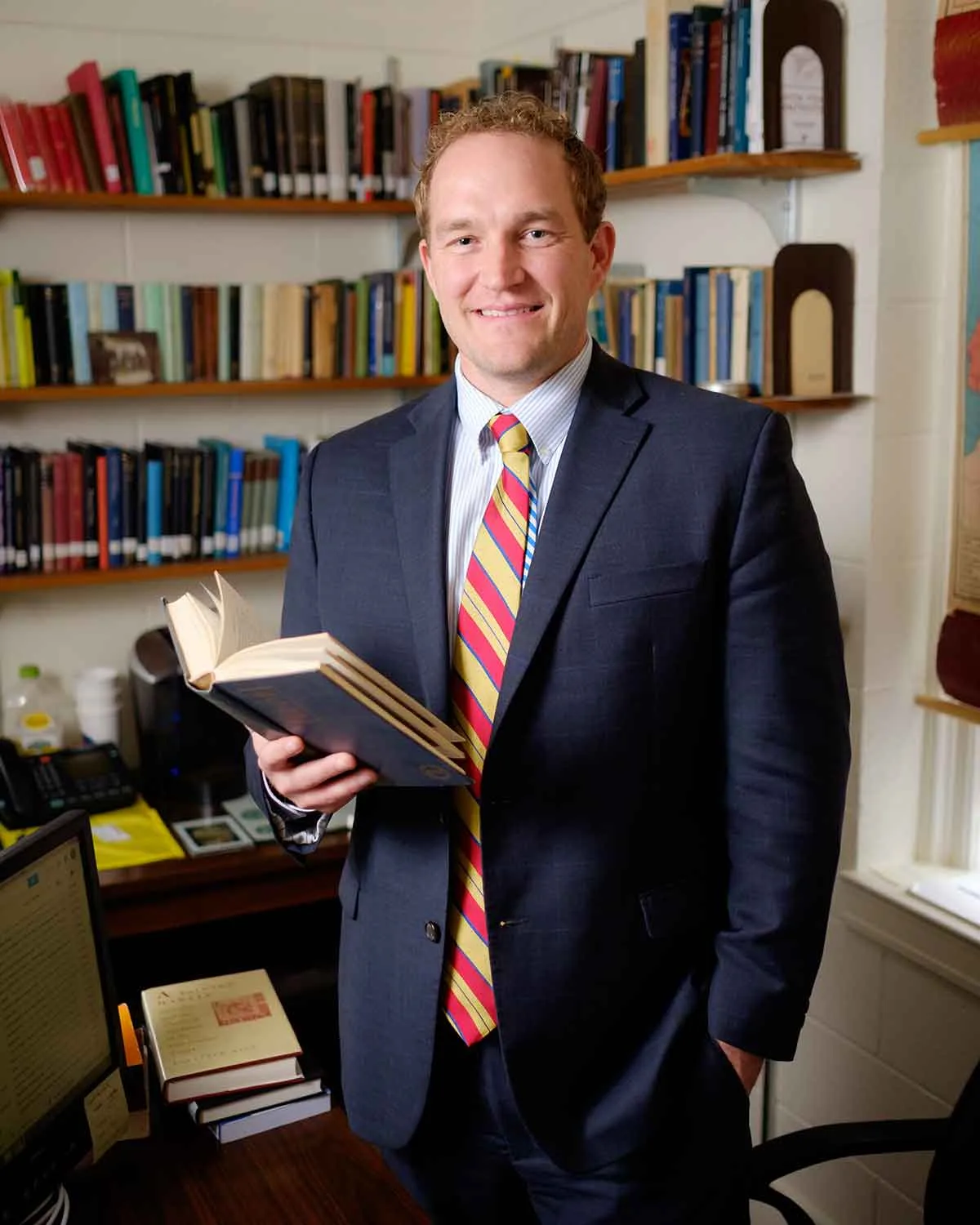
Professor Sloan offers three insights into why the Odyssey still resonates in the 21st Century:
- A mirror for the human experience: Homer endures because he isn’t just recounting a mythological adventure—he is tackling the most fundamental questions of what it means to be human. A multi-million-dollar movie adaptation in 2026 proves that The Odyssey still captures the public’s imagination, helping us overcome obstacles, process trauma, and realize conditions that constitute a home and the proverbial happy ending.
- Homer in the “Third Age” of Technology (AI): Homer’s epic emerged from the revolutionary invention of the written word, just as Shakespeare’s work was shaped by the printing press. In this “Third Age” of Technology (AI)—which threatens to drown out authentic human voices—clinging to Odysseus’s deeply human struggles, and the Homeric convictions that shaped him, is more culturally vital than ever.
- Wisdom wrapped in beauty: In a modern world drowning in dry statistics and automated information, humans still fundamentally crave stories.
“Wisdom wrapped in a beautifully told narrative hits harder, lasts longer and shapes public imagination.”
Classics Professor Michael Sloan
Sloan teaches classes in Greek Mythology, Classical Epic and Greek Tragedy. He has been awarded the Kenyon Family Faculty Fellowship for excellence in teaching and scholarship, the Reid-Doyle Excellence in Teaching Award and an Innovative Teaching Award.
Recent News