Depression and stress feed long-term fatigue in breast cancer patients

For breast cancer survivors, new research shows that feelings of depression and perceptions of psychological stress make the biggest difference in whether they experience fatigue up to two years after chemotherapy started.
Researchers had thought that damage to the heart caused by chemotherapy would be the main contributor to survivor fatigue. But that turned out not to be the case.
The new findings appear in JAMA Network Open. The study involved researchers from the Department of Health and Exercise Science (HES), Wake Forest University School of Medicine and Virginia Commonwealth University (VCU) Health.
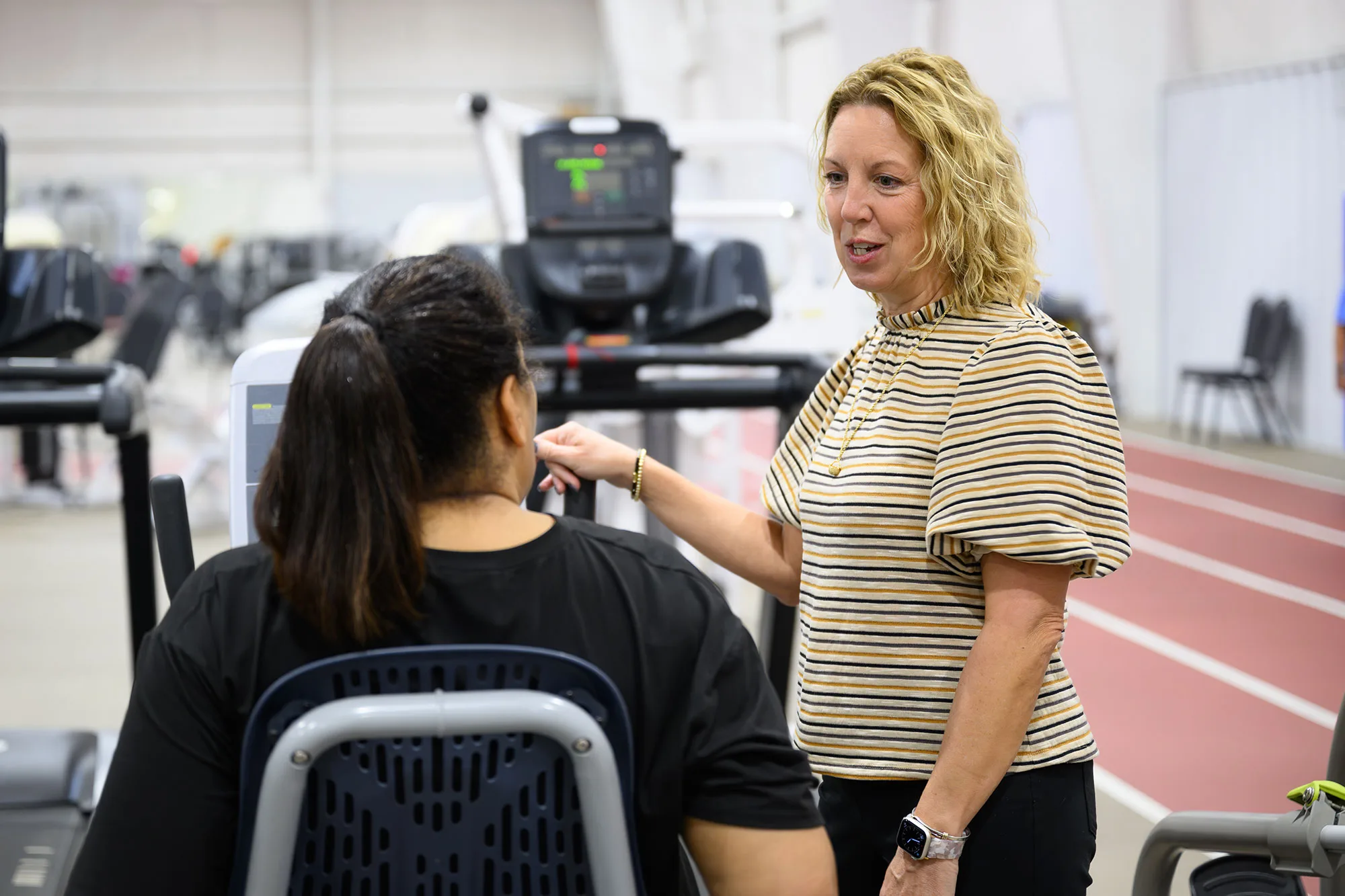
HES researcher Shannon Mihalko helped design the study on which the findings are based and, along with HES professor Peter Brubaker, trained the testers.
The Understanding and Predicting Fatigue, Cardiovascular Decline and Events After Breast Cancer Treatment (UPBEAT) study began recruiting participants in 2017. Researchers aimed to determine why breast cancer patients experienced cardiovascular dysfunction, exercise intolerance and fatigue after treatment.
Given the findings, Mihalko said breast cancer care teams should pay close attention to assessing depression and perceptions of psychological stress. Then, they need to talk through treatments for that depression and stress.
“Chemotherapy wreaks havoc on the heart, but that didn’t explain why women become more fatigued during and after treatment,” said Mihalko, a contributing author on the JAMA Network Open publication. “This is fatigue two years post initiation of treatment. It is persistent, and it has a big impact on quality of life, function and well-being.
“Treating the whole person is really important and could lead to improvements in fatigue down the road.”
New research to look at physical activity
This fall, the team will launch new research investigating whether initiating a regimen of physical activity for breast cancer patients as soon as they begin chemotherapy might minimize declines in physical function.
And, in light of their new findings, they will look at whether physical activity can address symptoms of depression, perceptions of psychological stress and fatigue, Mihalko said.
“This research is important because it highlights the role of factors other than cardiovascular function in contributing to fatigue in breast cancer patients receiving chemotherapy and suggests avenues for reducing fatigue,” said Nancy Avis, professor in the Department of Social Sciences and Health Policy at the Wake Forest University School of Medicine, member of the Atrium Health Wake Forest Baptist Comprehensive Cancer Center and the study’s lead author.
Dr. W. Gregory Hundley, the principal investigator and director of the Pauley Heart Center at VCU Health, said the UPBEAT findings challenge the assumptions about fatigue and breast cancer survivors.
“As a cardiologist, my instinct is always to look first at the heart. What this study tells us is that, in this case, the answer can lie elsewhere,” he said.
Recent News

Solar energy center begins operations with support from Wake Forest University
Solar energy center begins operations with support from Wake Forest University
Sabin Center conference explores leading in times of environmental crisis
Sabin Center conference explores leading in times of environmental crisis