Media Advisory: Wake Forest to honor Pablo Neruda
Categories: University Announcements

Categories: University Announcements
Categories: University Announcements
Categories: University Announcements
Categories: University Announcements
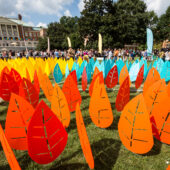
Today’s campus-wide introduction of “Thrive,” the University’s comprehensive approach to wellbeing, features fun activities to get people thinking and talking about serious topics such as financial planning, work satisfaction, intellectual engagement, emotional health and spirituality.
Categories: Alumni, Campus Life, Enrollment & Financial Aid, Happening at Wake, University Announcements, Wellbeing
Categories: University Announcements
Categories: University Announcements

The School of Divinity's convocation address was given by the Rev. Dr. William J. Barber II, which was the inaugural event of the Mac Bryan Prophetic Preaching Series that honors the late George McLeod “Mac” Bryan, Sr., who was a professor of religion for 37 years.
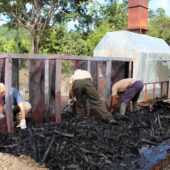
A solution to reverse Amazon rainforest deforestation is being explored by Wake Forest researchers by creating a new and more effective version of biochar made from native bamboos. Biochar is a kind of fertilizer made by smoldering agricultural plant waste in a specially designed, zero-oxygen kiln.
Categories: University Announcements