Animated film tells the “Cell Side Story”
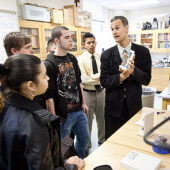 A new animated film to teach students about the inner workings of cells — made by students at Atkins High School in cooperation with Wake Forest professors — had its premiere on campus this week.
 A new animated film to teach students about the inner workings of cells — made by students at Atkins High School in cooperation with Wake Forest professors — had its premiere on campus this week.
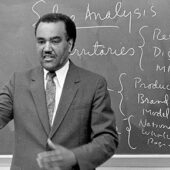 Professor Emeritus of Business Eddie Easley died on Jan. 13 in Winston-Salem. He was 82. He is survived by his wife, Ruth, three children and four grandchildren.
 Categories: Research & Discovery
 Few researchers today study how light interacts with electrons in atomic and molecular systems, which is why chemistry professor Akbar Salam’s new book is shining new light on an old subject.
Categories: Research & Discovery
Categories: Research & Discovery
 Adding 30 minutes of daily physical activity should top your list of New Year’s resolutions, says professor Peter Brubaker, who offers 10 tips to get you moving toward a healthier lifestyle in 2010.
 Categories: Research & Discovery
Categories: Research & Discovery
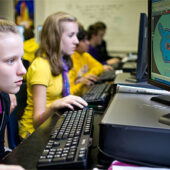 A science-education computer game being developed by a Wake Forest physics professor and two alumni to teach children the inner-workings of cells is now being tested by local students.
Categories: Mentorship, Research & Discovery
 Several students taking a first-year seminar have created a blog that includes reviews of video games and tips for parents, and insights into video-game play that they learned from their class research.
Categories: Mentorship, Research & Discovery
Categories: Research & Discovery
Categories: Research & Discovery