Media Advisory: Nov. 6: Maya Angelou, Ed Wilson & Johnnetta Cole celebrate Dignity & Respect at Wake Forest University
Categories: University Announcements

Categories: University Announcements
Categories: University Announcements
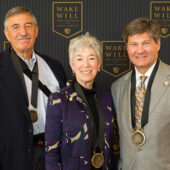
To recruit and retain outstanding faculty who embody Wake Forest’s teacher-scholar ideal, three alumni have committed $3 million to fund Presidential Chairs. Bobby Burchfield has established the Burchfield Presidential Chair of Political Economy and Mike and Debbie Rubin have established the Rubin Chair of Jewish and Israeli Studies.
Categories: Alumni, Transformative Giving

To celebrate Wake Forest’s ranking 11th in U.S. News and World Report for commitment to undergraduate teaching, Volunteer Service Corps (VSC) partnered with the Office of the Dean of the College to launch the “11 Days of Teaching Appreciation” social media campaign.
Categories: Campus Life, Experiential Learning, Mentorship, Research & Discovery, University Announcements
Categories: University Announcements
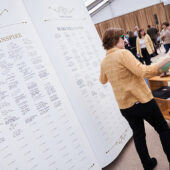
Under a big tent on Manchester Plaza, students and alumni wrote about the Wake Forest people who have inspired them on a book standing more than 10 feet tall. The outsized pages reflect the big dreams Wake Forest will achieve with “Wake Will: The Campaign for Wake Forest.” Relive the highlights of the weekend events.
Categories: Alumni, Campus Life, Transformative Giving
Categories: University Announcements
Categories: University Announcements

“Wake Will: The Campaign for Wake Forest” represents the largest mobilization of support for the mission of Wake Forest in the institution’s 179-year history. Wake Forest University and Wake Forest Baptist Medical Center will significantly increase their impact on the region, the nation and the world by investing $1 billion over the next five years to strengthen and renew their ability to carry out their respective missions.
Categories: Alumni, Campus Life, Happening at Wake, Transformative Giving, University Announcements
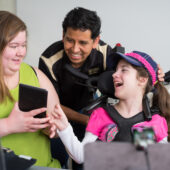
A new kind of hands-free communication device developed by Wake Forest could help people with speech impediments and poor motor control interact with the world around them.
Categories: Experiential Learning, Leadership & Character, Mentorship, Pro Humanitate, Research & Discovery, University Announcements