Turkeypalooza 2010
Wake Forest students have taken the holiday to those most in need. Volunteers cooked traditional Thanksgiving day meals on campus and delivered them to local agencies as part of Turkeypalooza.
Categories: Community Impact, Environment & Sustainability, Experiential Learning, Pro Humanitate, University Announcements
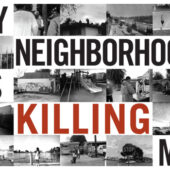
Across the U.S., racial minorities and the economically disenfranchised suffer disproportionally from the ill effects of assaults on the environment and often lack access to the power to protect their communities. Leaders in environmental justice discuss what can be done.
Numerous studies reveal that communities with people of color have borne greater health and environmental risk burdens than society at large. The University will host a discussion on the issues surrounding environmental injustice.
The Office of Sustainability is experimenting with ways to reduce food waste. One possible solution is an organic waste recycling system that works as a dehydrator.
Buck Cochran ('82) found his calling — and his own inner peace — in a community where sustainability is about more than farming.
Two Wake Forest seniors, Cate Berenato and Katherine Sinacore, spent four weeks in Peru this summer helping to determine which programs are best at helping sustain Brazil nut harvesters, their families and the rainforest.
Wake Forest is working to find alternative transportation solutions that are more environmentally sustainable, like car-sharing and shuttle services. Participation in the Zipcar program is rising, and fewer freshmen purchased parking permits this year.
With solar panels on the roof to heat water and touch screens in the hallways for monitoring energy usage, Wake Forest’s newest residence hall has the latest in green technology.
Some seniors, in the spirit of Pro Humanitate, have left legacies at Wake Forest that will last long after the last tasseled cap falls on Hearn Plaza.
History professor Emily Wakild is passionate about Mexican parks.
She has spent more than a decade researching and writing about the legacy of the Mexican Revolution in the early- to late-1900s, a period in which government planners created a system of national parks to achieve both social goals and environmental conservation.